Selling equipment at auction can move assets efficiently, but you still need a clear idea of value before the sale day arrives. If you skip that research, it’s easy to build expectations around a number that doesn’t match the current market. That can affect how you time the sale, how you present the equipment, and how you feel when bidding starts.
With proper value research, you’ll be able to go into this with a realistic view of what buyers may be willing to pay for your machine in today’s market. So take the time today to learn how to research equipment values before putting your gear up for sale at auction.
Start With Recent Comparable Sales
The most useful place to begin is with recent sales of equipment that’s close to yours in brand, model, age, and configuration. A tractor with similar horsepower may look like a match at first glance, but that doesn’t mean it carries the same value if the hours are much higher or the options are thinner. You need comparable sales that reflect what buyers actually paid, not what another seller hoped to get.
That matters more than many sellers realize. Asking prices on dealer sites and marketplace listings can give you a rough sense of the market, but they aren’t proof of value because they don’t show what sold and what sat. Auction results tell a more honest story because they reflect actual bidding activity in a real market setting.
Condition Changes the Number Quickly
Once you’ve found comparable sales, look closely at condition because that’s where values start to separate. Two machines with the same model year can perform very differently in the market when one has been stored in a shed, serviced regularly, and kept field-ready, while the other shows numerous signs of neglect. Buyers notice tire wear, leaks, welds, cab condition, and signs of deferred maintenance.
You should also pay attention to hours, but don’t treat hours as the only deciding factor. A well-maintained machine with higher hours can still bring strong money if buyers trust its care history and current performance. Low hours won’t rescue equipment that shows poor upkeep or obvious downtime risk.
Verify the Features That Actually Add Value
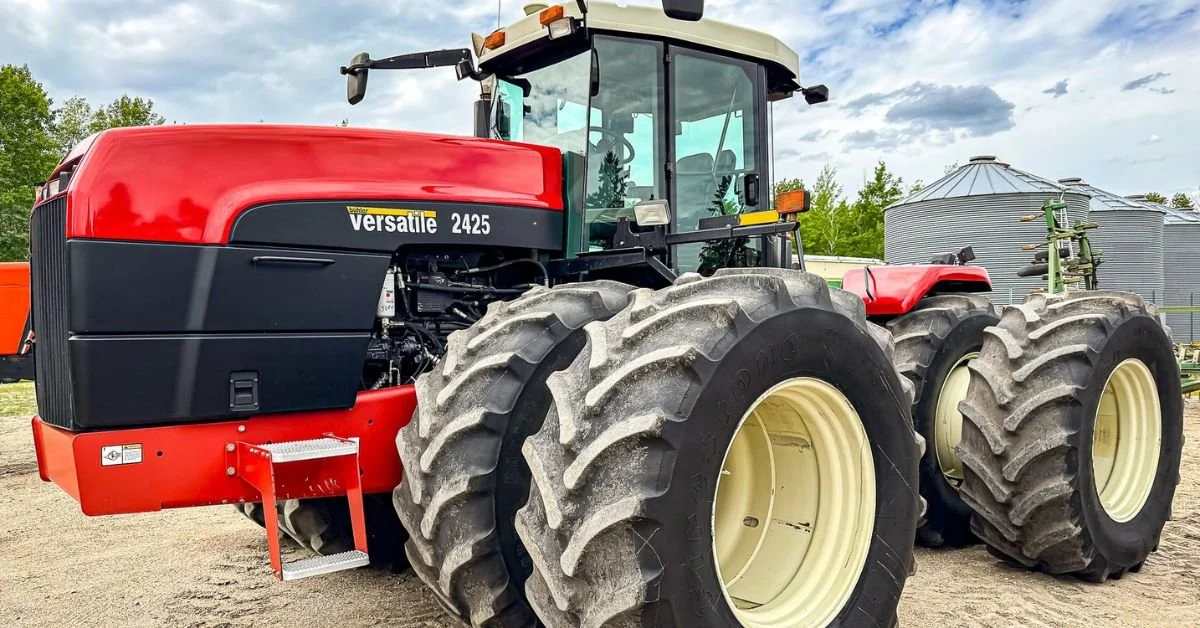
It’s easy to assume that every extra feature adds meaningful value, but buyers don’t respond equally to every add-on. Four-wheel drive, guidance components, premium headers, or a desirable attachment package may lift interest because those features affect how the machine performs in the field or on the job. Cosmetic extras usually don’t move the number the same way unless they improve confidence in the equipment’s overall care.
That means you should document what makes your equipment different before putting together the auction listing. Gather model details, serial numbers, recent service records, and any upgrades that set the machine apart from a bare-bones version. Clear documentation helps your auction partner describe the asset accurately, and that accuracy helps bidders price it with less hesitation.
Watch Local Demand and Timing
It’s also important to remember that equipment value isn’t only tied to the machine itself. Demand shifts by region, season, and current farm or construction conditions, which means the same piece of equipment may draw different interest depending on when and where it sells. A planter, combine, or skid steer may feel easier to value once you understand what local buyers are actively looking for right now.
Timing matters too because buyers don’t bid in a vacuum. If similar equipment has flooded the market, bidders may stay selective and let only the cleanest units rise to the top. If supply is tighter and your machine fits a current need, competition can strengthen fast.
Separate Repair Cost From Market Value
Many sellers fall into the trap of adding repair bills to their target price. That’s understandable, especially when you’ve put money into tires, hydraulic work, or engine service shortly before the sale. Still, the market doesn’t reimburse every dollar on a one-for-one basis, and buyers won’t ignore age or wear just because recent invoices exist.
While repairs can absolutely help value, they usually do so by protecting buyer confidence rather than fully repaying the seller. A machine that starts easily, runs well, and comes with proof of recent work often attracts stronger bidding because it feels less risky. That’s different from saying every maintenance dollar automatically raises the final sale price by the same amount.
Don’t Ignore Sale Readiness
When researching equipment values before an auction sale, you should also account for practical details that shape bidder interest. Transportation complexity, missing components, title issues, and incomplete paperwork can all reduce urgency because they create friction after the sale. Buyers tend to bid more aggressively when they believe pickup, transfer, and immediate use will be straightforward.
Sale readiness affects presentation as much as it affects value. Clean equipment photographs better, complete records answer questions faster, and a machine that’s ready to inspect creates fewer doubts in a buyer’s mind. When you remove uncertainty, you give the market a better chance to judge the equipment on its merits rather than discount it for avoidable concerns.
Use Photos and Records to Support the Number
If you want a realistic value range, you need more than memory and instinct. Good photos, service documentation, and a clear description help you compare your unit to past sales with more accuracy. They also help your auction team market the equipment in a way that supports bidder trust from the first glance through final bidding.
Work With Auction Professionals Before You Set Expectations
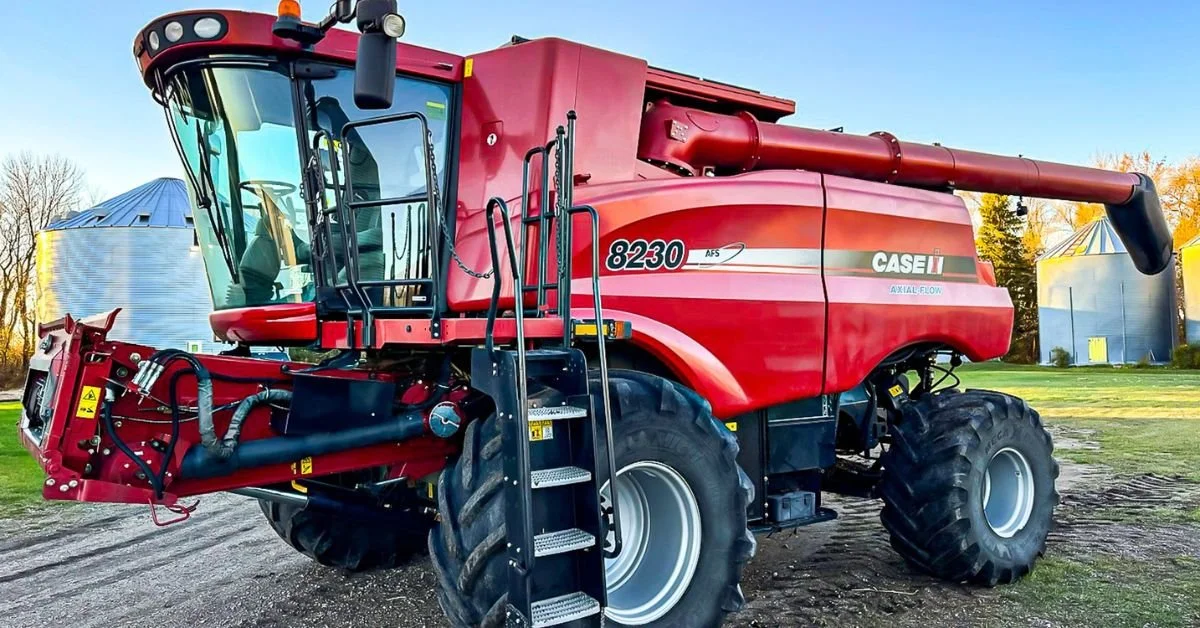
Looking into value on your own is smart, but you shouldn’t stop there. An experienced agriculture equipment auction team can compare current market behavior, buyer demand, and equipment condition in ways that are harder to see from a few online searches. They can also point out where sellers tend to overestimate value and where they may be leaving money on the table.
That outside perspective matters because auction value is both market-driven and situational. A team that understands farm equipment and other commercial assets can help you decide whether the timing is right, whether the equipment needs more prep, and how to frame the listing for buyers. That’s often the difference between a seller who feels surprised by the result and one who feels prepared from the start.
Value Research Helps You Sell With Confidence
No matter what, your goal should never be to force the market into your preferred number. It should be to understand the likely range well enough to plan the sale with confidence and avoid unrealistic assumptions. When you study comparable sales, weigh condition honestly, and factor in demand, you put yourself in a much stronger position before bidding begins.
No matter what kind of farm equipment you’re preparing for auction, start the value conversation early rather than waiting until the listing is almost done. Early research gives you time to organize records, address weak points, and choose a selling window that fits the market. That preparation won’t guarantee a specific result, but it will help you approach the auction with clearer expectations and a better strategy.