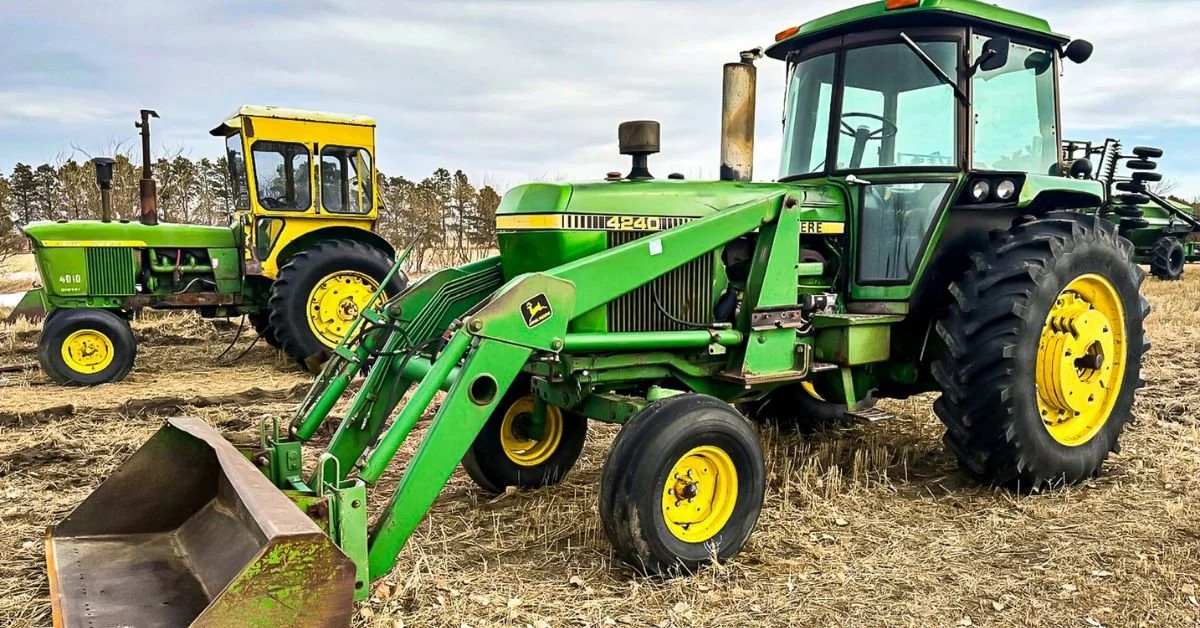
Supply chain disruptions have reshaped the equipment market quite a bit over the past several years. As delays, shortages, and limited availability made it harder to get new equipment on time, buyers had to look beyond traditional purchasing channels. For many, auctions became a more practical way to find equipment that was available and ready to use.
That shift affected more than just where people bought equipment. It changed how buyers approached bidding, how sellers thought about timing, and how much value was placed on condition and immediate usability. To better prepare for issues like this in the future, it’s important to understand how supply chain disruptions tend to affect things like equipment auctions.
Why Supply Chain Issues Pushed More Buyers to Auctions
When supply chains are strained, buyers usually feel it through delays, limited availability, and rising costs. Even if they’re willing to buy new equipment, that doesn’t help much if the delivery timing doesn’t align with actual work demands. If a machine is needed for planting, harvesting, hauling, or another critical job, waiting often isn’t realistic.
That’s where auctions start to matter more. Buyers who might have preferred to purchase through a dealer often turn to the auction market because it offers something the traditional channel can’t always guarantee: equipment that’s available now. In periods of uncertainty, immediate availability becomes a major selling point.
That added urgency can bring more buyers into the same sale. Instead of a smaller pool of people browsing for opportunities, auctions can attract buyers actively seeking to solve an equipment problem. That tends to create more competition, especially for machines that appear ready to go straight to work.
It also changes how buyers evaluate their options. In a normal market, someone may hold out for a very specific model, age range, or feature set. In a tighter market, buyers are often more flexible because the priority shifts from finding the perfect machine to finding a machine they can use right away.
How Supply Chain Pressure Affected Auction Prices
One of the biggest effects of supply chain issues is their influence on buyer urgency. When more people compete for available equipment, bidding activity often intensifies. That doesn’t mean every item sells for a premium, but it does mean demand can push values higher in certain categories.
Buyers tend to focus more heavily on usefulness and timing in this kind of market. If a piece of equipment looks well-maintained, operational, and ready for immediate use, it has a better chance of standing out. The less uncertainty a buyer sees, the more confident they are in bidding.
At the same time, supply chain pressure doesn’t erase the basics of auction value. Age, condition, hours, maintenance history, and overall demand still matter. A tight market may raise interest, but it won’t automatically make every machine equally desirable.
That’s an important point for both buyers and sellers. Supply chain issues can increase attention and competition, but they don’t remove the need for careful evaluation. Auctions still reflect what buyers think a specific piece of equipment is worth in its current condition, not just what the wider market is worried about.
Why Seller Behavior Changed Too
Supply chain issues didn’t just affect the people trying to buy equipment. They also shaped how sellers thought about timing. In some cases, stronger demand created better opportunities to sell, especially for owners with clean, usable equipment that matched what buyers were actively seeking.
But the decision wasn’t always simple. Selling equipment is easier when replacement options are clear and predictable. If owners weren’t sure they could replace a machine quickly or affordably, they had more reason to hold onto what they had.
That created a strange balance in the auction market. Some sellers saw a chance to benefit from elevated demand, while others became more cautious about letting equipment go. As a result, supply could feel tighter not just because buyers were looking harder, but because some sellers were less willing to part with working assets.
This is how uncertainty shapes auction inventory on both sides. Buyers may feel pressure because equipment is harder to find, while sellers may feel pressure because selling now could create replacement problems later. The result is a market where timing matters more than usual.
Why Equipment Condition Mattered More Than Ever
Supply chain issues changed what buyers were willing to compromise on, but not in every area. In a tighter market, many buyers became more flexible about preferences such as model year, brand, or specific features, since immediate availability mattered more than finding an exact match. At the same time, they became less flexible about the condition of the equipment because the cost of buying the wrong machine felt higher.
That’s the key difference. Buyers might accept a machine that wasn’t their first choice, but they were still looking for equipment they could use with confidence. If repairs could mean more downtime, more delays, or more uncertainty around parts, the condition became even more important.
As a result, clean, well-maintained equipment often stood out more in the auction market. Buyers weren’t just bidding on availability. They were also bidding on reliability and the likelihood that the equipment could go straight to work.
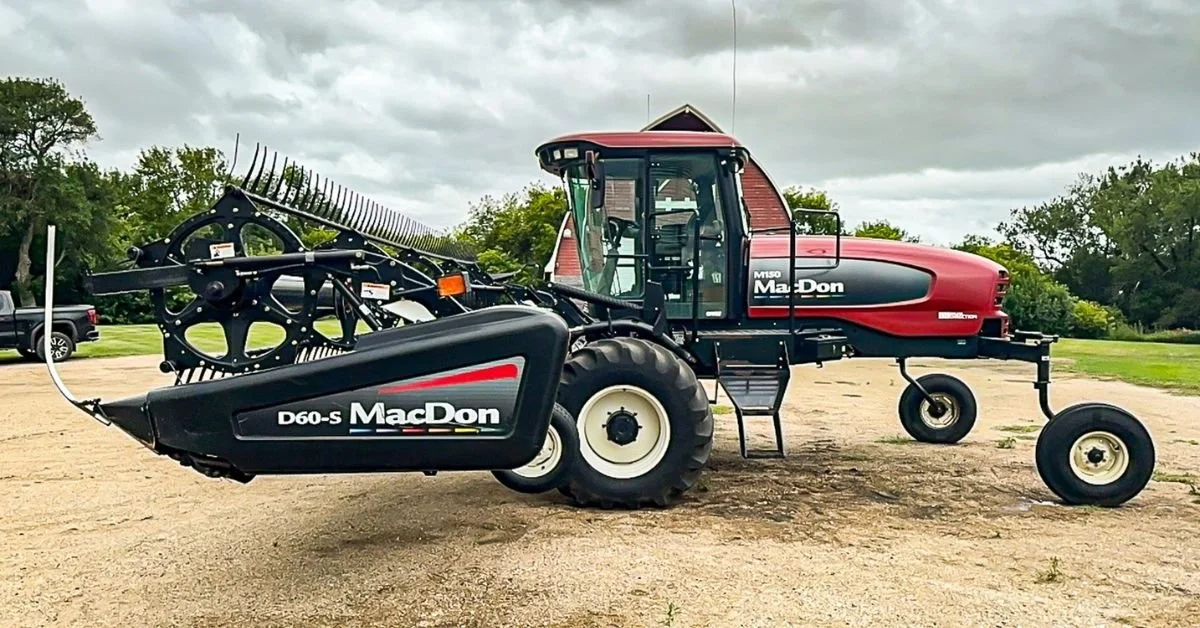
For sellers, that made presentation even more important. Clear photos, accurate descriptions, and honest details about condition helped reduce buyer hesitation. In a market where buyers were willing to be flexible on preferences but cautious about risk, transparency made a bigger difference.
How Supply Chain Issues Changed Auction Strategy
Supply chain pressure affected more than just pricing in equipment auctions. It also changed how people approach auctions. Buyers in a tighter market often need to be more prepared before the bidding starts, because hesitation can mean missing out on one of the few available options that fit their needs.
That preparation usually starts with understanding the operation’s actual needs, the budget, and how quickly the equipment may need to be operational. In a tighter market, buyers often have less time to compare options before bidding. Going in with a clear plan makes it easier to move quickly without letting urgency drive the whole decision.
Sellers also benefit from a more intentional strategy. In a market shaped by delays and uncertainty, simply listing equipment isn’t always enough. Good timing, a strong presentation, and accurate information can make a meaningful difference in the level of confidence the listing inspires.
This is where auctions become especially useful as a market signal. They show how buyers are responding in real time to availability, urgency, and condition. When external pressures affect supply, auctions often reflect those changes quickly because bidding makes demand visible.

What It Means for Buyers and Sellers
For buyers, supply chain issues make discipline just as important as urgency. It’s smart to move quickly when the right equipment appears, but that doesn’t mean abandoning basic evaluation. The goal is still to buy equipment that fits the operation, budget, and timeline without letting market pressure do all the thinking.
For sellers, the takeaway is that demand alone doesn’t carry the whole sale. Buyers may be motivated, but they still want confidence in what they’re bidding on. Equipment that is presented honestly and clearly usually has a better chance of attracting serious interest.
More broadly, supply chain issues underscored the importance of auctions in an uncertain market. When traditional channels become less predictable, farm equipment auctions help connect available equipment with buyers who need it now. That shift doesn’t change the fundamentals of value, but it does make auctions even more important in the equipment market.