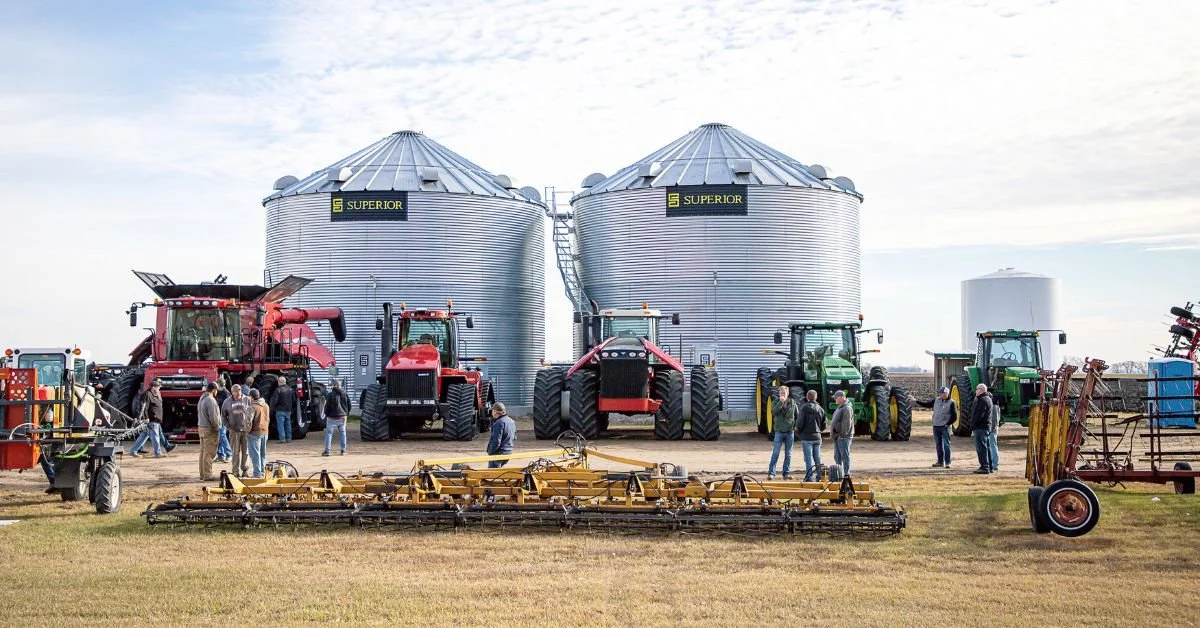
Preparing commercial assets for auction is less about polishing for perfection and more about removing friction for buyers. This is because many auctions these days are held online or via simulcast bidding, which takes place both in person and online. That means whether bidders are evaluating farming equipment remotely or at the event, they need to be confident in knowing what they’re looking at.
Successful preparation helps with this by removing uncertainty for online buyers while still supporting in-person inspections for simulcast auctions where applicable. When sellers prepare agricultural assets with an online-first mindset, listings become clearer and bidding activity strengthens across both digital and in-person channels. If you’re planning on selling some of your own commercial assets, this guide will help you prepare for a more successful auction.
Assessing Commercial Assets Before Auction
In online auctions, asset assessment is the foundation of the entire sale. Since buyers may never see equipment in person before bidding, the accuracy and completeness of the assessment directly influence trust, engagement, and final pricing.
Inventory and Documentation Review
Every online auction begins with a complete and accurate inventory. You need to correctly identify and document each asset, attachment, accessory, and standalone component to prevent confusion once listings go live. Online buyers expect listings to reflect exactly what they are bidding on, with no assumptions or missing pieces.
Documentation carries more weight in online auctions than in traditional in-person sales. Titles, maintenance records, manuals, serial numbers, and ownership documents help buyers assess risk remotely. Even incomplete documentation should be included, as transparency is often more valuable than perfection when buyers are deciding how aggressively to bid.
Condition Evaluation
Online buyers depend on written condition descriptions to replace physical inspection. Assets should be evaluated honestly for operational status, known mechanical issues, wear points, and prior repairs before creating any listings. Vague or overly optimistic descriptions tend to suppress bidding rather than encourage it.
It’s also important to clearly separate cosmetic wear from functional issues. Buyers expect wear on commercial equipment, such as tractors, but they want clarity on what affects performance versus appearance. Accurate condition reporting reduces post-sale disputes and builds long-term buyer confidence.
Cleaning and Visual Presentation
Since auctions of all kinds are visually driven, presentation still matters to some extent. Clean, well-presented assets photograph better and communicate care without misleading buyers about condition, so preparing commercial assets in this way is crucial for a successful auction.
Basic Cleaning Standards
You should always clean your assets enough so that their true condition is visible in photos and videos. Heavy dirt, grease, or debris can obscure wear points and create suspicion among online bidders who already lack physical access.
Priority areas include operator stations, controls, engine compartments, connection points, and identification plates. These details are often what buyers take a closer look at when evaluating listings and comparing similar equipment.
Minor Repairs and Maintenance
Minor, low-cost repairs can significantly reduce uncertainty for online buyers, especially when it comes to agricultural equipment. Addressing issues like broken lights, loose hoses, missing guards, or obvious leaks helps listings read as intentional and credible rather than rushed.
In most cases, it’s a smart move to carefully evaluate major repairs and do so in consultation with the auction team. Online buyers frequently prefer transparent disclosure over extensive pre-sale repairs, especially when they factor condition into their bidding strategy.
Organizing Assets for Inspection and Marketing
The organization of your assets ensures that digital marketing, listings, and in-person inspections for simulcast auctions remain consistent. Assets that are logically arranged are easier to photograph, describe, and inspect.
Grouping and Layout
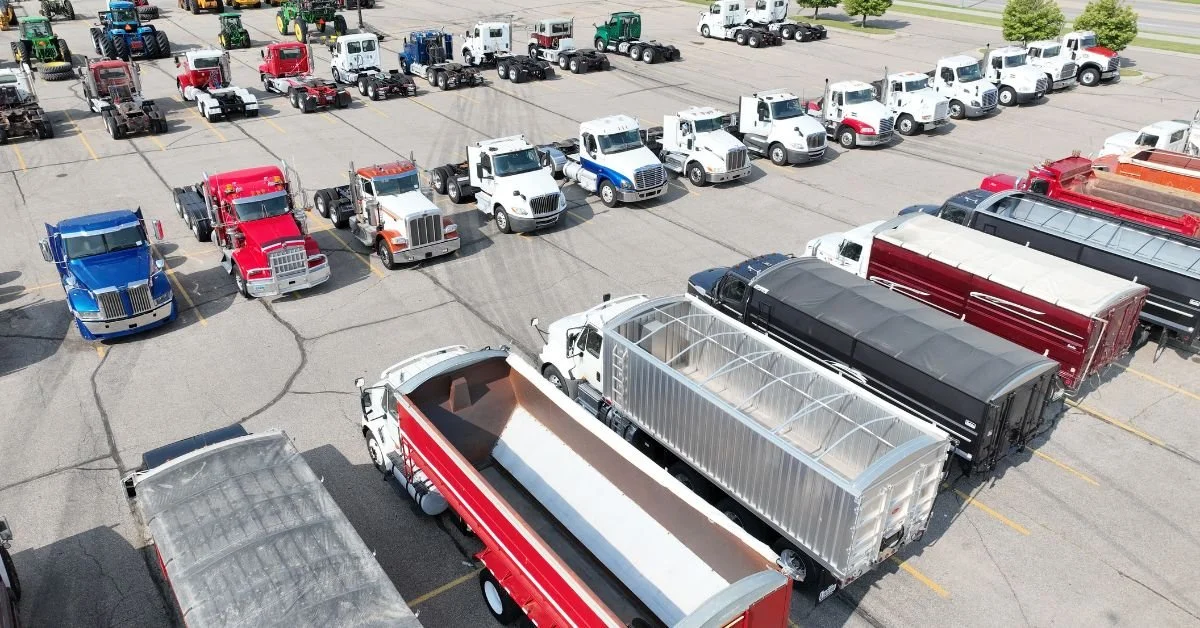
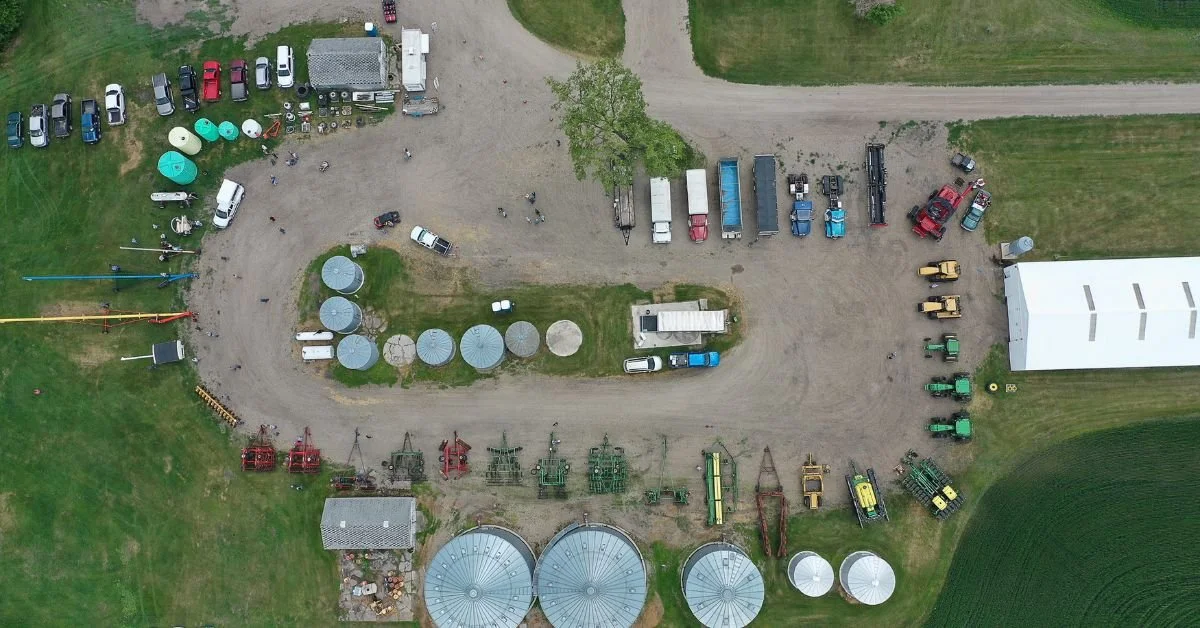
It’s best to group assets by type, function, or use to support online browsing and comparison. Logical grouping helps buyers understand relationships between equipment and attachments without relying on in-person explanations.
For simulcast auctions, physical layout should mirror online listings whenever possible. Buyers who attend inspections often arrive with prior online research, and consistency helps them confirm details efficiently.
Photography and Listings Support
Online auctions depend heavily on photography and video of farming assets. Position assets in a way that allows clear, unobstructed images of all key angles, serial numbers, wear areas, and operating components.
Most importantly, listings should reflect reality without exaggeration or omissions. Accurate visuals and descriptions reduce buyer questions, minimize hesitation, and support stronger bidding behavior throughout the auction.
Compliance, Safety, and Risk Management
Even in online auctions, assets must be prepared with safety, compliance, and liability in mind. Equipment still needs to be accessed for photography, documentation, loading, and sometimes in-person inspection during simulcast auctions, which introduces real-world risk. While auction companies will handle the most important elements here, understanding these issues yourself will help prevent delays, buyer concerns, and avoidable problems that can weaken bidding confidence.
Ownership, Documentation, and Disclosure
Assets should be reviewed to confirm they can be legally sold and transferred through auction. Verifying titles, ownership records, and required disclosures before listings go live will be essential, since online buyers depend entirely on written information.
If an asset has limitations, regulatory considerations, or special transfer requirements, you must disclose those details clearly. Transparency reduces buyer hesitation and protects all parties after the sale.
Safety and Physical Access
Even for online auctions, assets are physically handled by staff and occasionally viewed by buyers. That’s why teams must position equipment securely, stabilize it properly, and make it accessible without creating safety hazards.
For simulcast auctions, safe inspection areas and clear access paths help prevent accidents. A controlled environment keeps the focus on bidding rather than preventable disruptions.
Hazardous Materials and Data Removal
Fuel, oils, batteries, and other hazardous materials need to be handled responsibly before listing. When removal is not practical, clear disclosure helps online buyers accurately evaluate risk.
You’ll also want to remove any stored data, proprietary information, or digital credentials from your farming equipment prior to auction if it contains any of that. This step protects the seller and reassures buyers who are increasingly aware of data-related risks.
Timing and Coordination With the Auction Partner
Online auctions operate on fixed timelines, and preparation must align with listing creation, marketing launches, and inspection windows. Poor timing often results in rushed listings or incomplete information reaching buyers.
Scheduling Preparation Activities
Preparation should begin well before assets are listed online. Cleaning, documentation collection, condition verification, and photography all require lead time, especially when managing multiple assets.
A structured schedule allows sellers to prioritize high-impact preparation tasks. This approach prevents last-minute compromises that weaken online listings and reduce bidder confidence.
Working With an Experienced Auction Team
An experienced auction team understands how online buyers evaluate risk and value. Their insight helps sellers focus preparation efforts on what actually influences bidding behavior rather than unnecessary cosmetic work. That’s why you should find companies that know your industry. That means an agricultural equipment auction house will be ideal for those with farming-specific assets.
Regardless of who you go with, collaboration ensures that preparation, listings, and marketing are aligned. When preparation aligns with the online auction strategy, both online-only and simulcast auctions benefit from stronger engagement and better outcomes.