
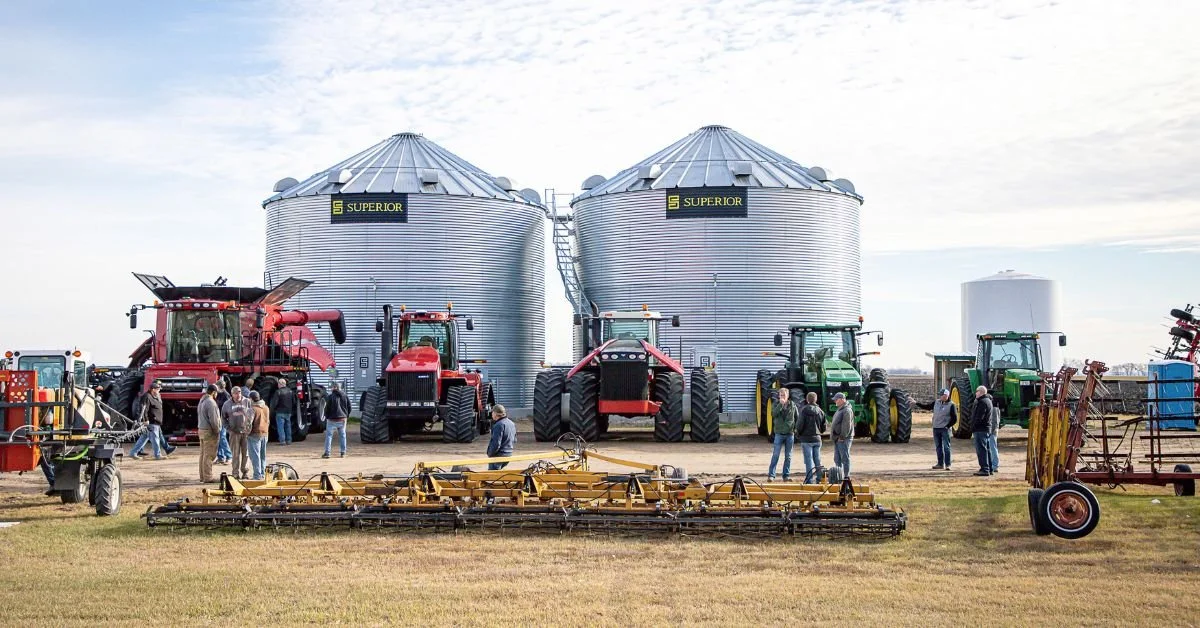
Farm equipment auctions reward preparation far more than impulse. A bidder who shows up with a plan can move quickly without losing control. That matters because under pressure, an average machine might look better than it really is.
Most mistakes that lead to regrettable decisions happen before the final bid ever lands. Buyers often get pulled into the pace of the sale and stop thinking about the machine in practical terms. To keep this from happening, you need to familiarize yourself with these smart bidding tactics for farm equipment auctions.
Set a Hard Limit Before the Sale Opens
Your best defense against overspending is a number you’ve already chosen. If you decide your limit while the auction is live, emotion will probably set it for you. That’s when a useful purchase turns into an expensive one.
Build that number around what the machine can earn or save on your farm. Think about the work it needs to handle, then compare that value with your available cash and financing room. Once you’ve set that ceiling, treat it like a boundary instead of a starting point.
A hard limit also keeps you from chasing a lot just because other bidders seem aggressive. Their urgency doesn’t change the machine’s value to you. It only changes the pressure in the room.
Read the Listing for Clues, Not Hype
A strong listing can still leave important gaps. Photos may show a clean exterior while avoiding the areas that usually reveal wear. The description may sound confident without saying much about service history or current operating condition.
That’s why smart bidders read every line with a skeptical eye. Look for signs of repairs, uneven wear, or missing information that should’ve been easy to provide. When a listing includes serial details or maintenance notes, use them to verify what the seller is actually offering.
In online farm machinery auctions, the listing does most of the work that an in-person inspection would normally handle. Buyers who slow down at this stage usually make better decisions once the bidding process begins.
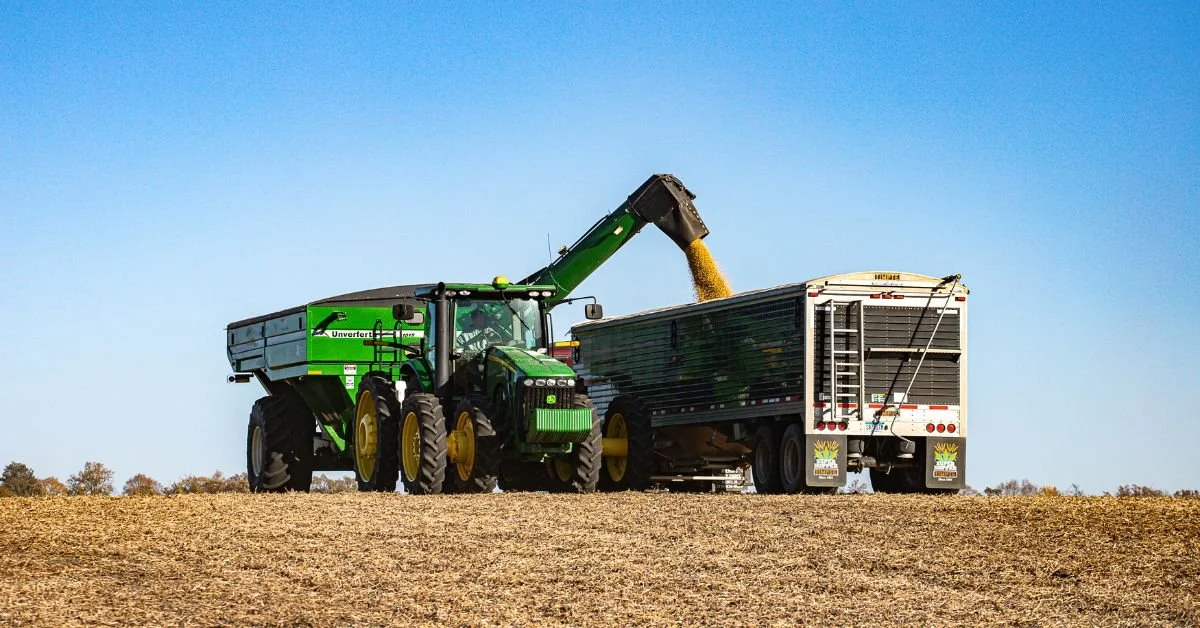
Price the Whole Deal, Not the Winning Bid
The bid amount is only one part of the purchase. You still need to account for hauling, buyer fees, and any repair work that needs attention right away. A machine can look cheap on the screen and still end up costing more than it should.
Before the auction starts, estimate what it would take to put that equipment to work on your place. If the machine needs tires soon, add that cost now. If transport will be difficult, let that reality shape your number before the auction does it for you.
This habit changes the way you look at bargains. Instead of reacting to the lowest visible price, you’ll judge whether the full transaction still works. That’s a much better standard for any serious buyer.
Pay Attention to Timing Inside the Auction
Many bidders show their intent too early. They jump in at the first opening, then keep raising the price just to stay involved. That approach often creates momentum for everyone else and makes the lot more expensive.
A calmer strategy is to watch the early action before committing. You can learn a lot from the pace of the increments and from the way other bidders respond. Some lots elicit quick emotion, while others settle into a steadier rhythm that offers better entry points.
You also need to understand how the platform handles extended bidding. Some auctions reward patience because the clock resets when new bids come in. If you don’t know that rule ahead of time, you can mistake a long close for a lost opportunity and start reacting instead of choosing.
Focus on Fit Instead of Familiarity
Brand loyalty can cloud good judgment. A familiar paint color or model line may feel safer, but that comfort doesn’t guarantee value. You still need to ask whether the machine fits your acreage, your workload, and your budget.
Sometimes the better buy is a unit that wasn’t your first choice. Maybe it has stronger maintenance records, or maybe the bidding stays more reasonable because fewer people came in looking for it. A practical buyer stays open to that possibility.
This mindset keeps you from paying extra for sentiment. Auctions reward buyers who stay attached to function rather than identity. The machine doesn’t need to match your preference perfectly if it does the job at the right price.
Keep Condition at the Center of Every Bid
Condition affects far more than resale value. It shapes downtime risk, repair timing, and how soon the machine can earn its keep. If you overlook those factors, your bid ceiling won’t reflect the real exposure you’re taking on.
Try translating wear into dollars before the auction begins. A weak hydraulic system or rough feeder house shouldn’t remain a vague concern in the back of your mind. It should lower what you’re willing to pay.
This approach also protects you from getting impressed by surface-level details. Fresh paint and clean photos can hide hard use. A buyer who stays focused on condition is less likely to confuse appearance with value.
Have a Backup Target Ready
One of the easiest ways to lose discipline is to convince yourself that one lot is the only answer. That kind of thinking creates urgency before the bidding even starts. Once you feel cornered, you’re much more likely to stretch past your limit.
A better approach is to identify another option before the auction begins. That backup could be a similar machine later in the sale, or maybe a comparable unit you’ve seen on another platform. Knowing you have an alternative lowers the emotional pull of any single lot.
This doesn’t mean you should treat every machine as interchangeable. It just means you should avoid attaching all your plans to one outcome. Buyers make sharper decisions when they know the day doesn’t rise or fall on one bid.

Watch Other Bidders, but Don’t Follow Them
Other bidders can tell you something about demand, but they shouldn’t set your pace. A fast bidder may look confident while simply acting on impulse. A quiet bidder may wait, then step in with a number that reflects careful research.
Use the room for information, not direction. Notice whether people are making tiny increases or bigger jumps, then ask what that behavior suggests about their confidence. Keep that read in the background while your own ceiling stays in the foreground.
The trouble starts when the auction becomes personal. Once you begin reacting to a person instead of a price, you stop bidding on value. That shift is where smart discipline usually breaks down.
Know the Exact Moment to Walk Away
The most important bidding tactic to know when it comes to farm equipment auctions is when to walk away. If the lot moves beyond your number, let it go without trying to rescue the effort with one more bid. A bad purchase doesn’t become smart just because you already invested time in watching it.
This is where preparation proves its value. A bidder who sets clear limits can step out without confusion. A bidder who came in loose usually finds a reason to keep going. The auction doesn’t owe you a win, and you don’t need one from every sale. You need equipment that makes sense for the operation you run and the money you’re willing to risk.