
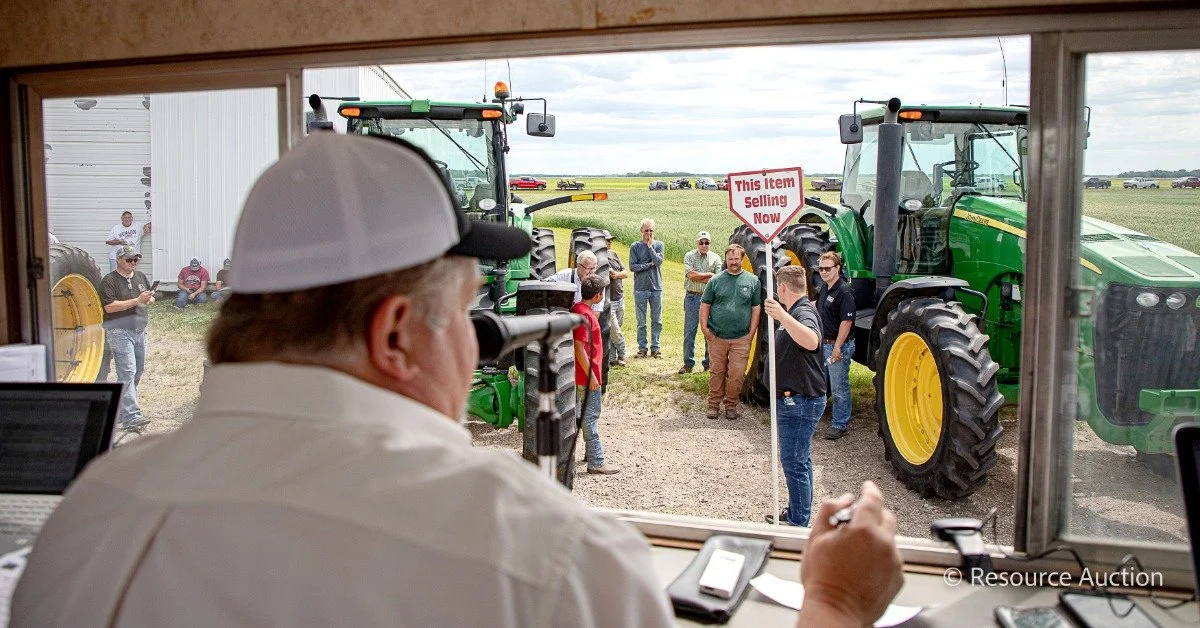
Farm equipment used to gain most of its attention through local conversation. A neighbor heard about a sale, then passed the word along to someone who needed a tractor before spring work started. That kind of trust still matters, but social media has changed the way awareness spreads.
A machine can now reach interested buyers in places they don’t expect. A photo may catch someone’s eye on Facebook, or maybe they see an ad on YouTube for a skid steer that matches their needs. No matter how you look at it, social media has greatly changed the farm auction landscape, but this even applies to the prices and values of this machinery, which is what we’re here to dive into today.
Visibility Changes the Starting Point
Auction prices depend on buyer interest. When more qualified buyers see a machine, the seller has a better chance of competitive bidding. Social media helps create that interest before the auction reaches its final stretch.
The strongest effect comes from timing. Even if a buyer wasn’t planning to purchase anything that week, the right post can change that. Coming across a tractor that fits a need that has been sitting in the back of someone’s mind could be the spark that moves them forward to the next step.
This doesn’t mean every shared item brings a higher price, though. A rough machine still has to answer for its condition. Social media works best when it connects real value with the people most likely to recognize it.
Better Presentation Builds Early Confidence
Buyers make fast judgments online. A dark photo can make a solid machine look neglected, while a clear photo can help buyers understand what they’re seeing. That difference matters because many bidders decide whether to keep looking within seconds.
A good presentation doesn’t mean hiding wear. It means showing the machine honestly in a way that helps buyers evaluate it. If a tractor has paint wear near the steps, buyers should be aware of it. If the cab has seen better days, they should know about that, too.
In most cases, social media will reward posts that feel real. Buyers don’t need a machine to look perfect. They need enough visual information to decide whether the listing deserves more time.
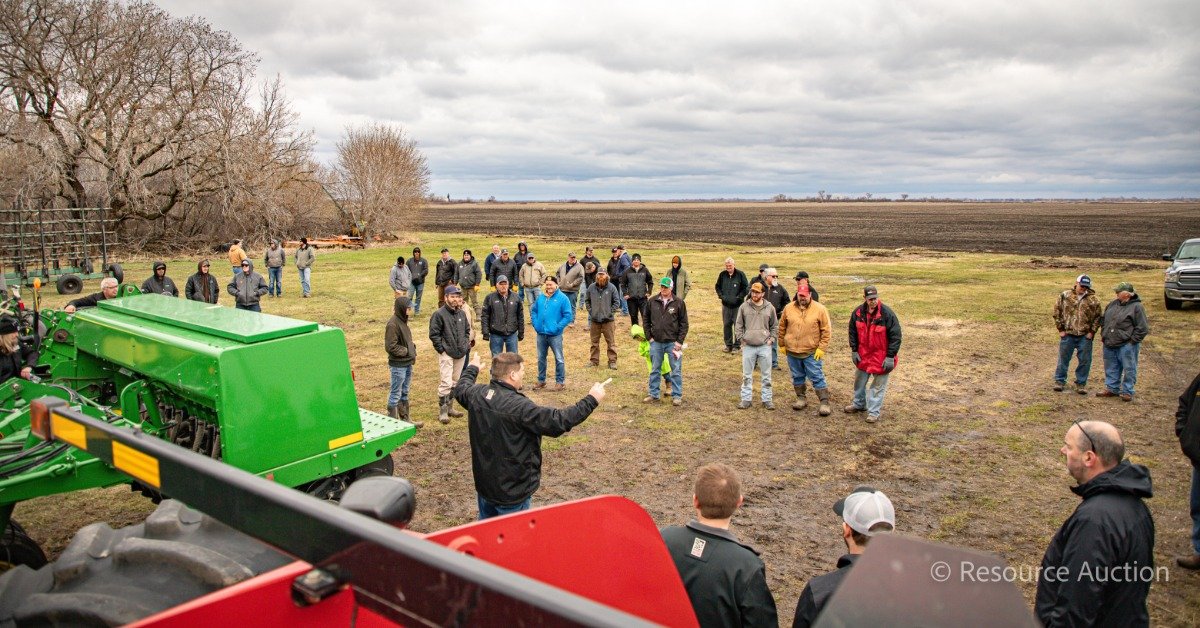
Context Can Make a Listing Feel Less Anonymous
Farm equipment buyers care about details that explain how the gear lived before the auction. Hours of use matter, but so does the kind of work the machine handled. A social post can give that context without turning the sale into a bloated description.
A retirement auction carries a different feel than a sale caused by sudden circumstances. That means a tractor that spent most of its life on one farm may draw attention because buyers understand the story behind it. The machine still has to stand on its own, but context can make bidders more comfortable.
That comfort can affect value. Buyers often bid with more confidence when they feel they understand the equipment. Social media gives auction teams room to build that understanding before bidding begins.
Comments Can Shape Buyer Perception
Social media adds a public layer to auction marketing. Buyers don’t just see the post—they also see how the auction team responds when someone asks a question. That response can either strengthen trust or weaken it.
A clear answer about inspection times can help more than the person who asked. Other buyers may have wondered the same thing. When the auction team replies in a steady and useful way, the sale feels organized.
The same space can create problems when speculation shows up. Someone may guess about a repair or question a detail without full information. A careful answer matters because silence can make uncertainty feel larger than it is.
Reach Matters More When Bidding Happens Online
One of the main reasons social media has a greater influence on farm auction prices and values is due to the fact that buyers can act immediately. A farmer can move from a social post to auction registration all in one sitting. That shorter path makes attention more valuable.
This is especially important for online farm machinery auctions. A buyer doesn’t have to wait for a printed sale bill or stand on-site when the machine sells. The listing can stay within reach wherever the day takes them.
That convenience can widen the buyer pool. A machine with limited local demand may still fit someone a few hours away. Social media helps interested parties find the sale before the opportunity disappears.
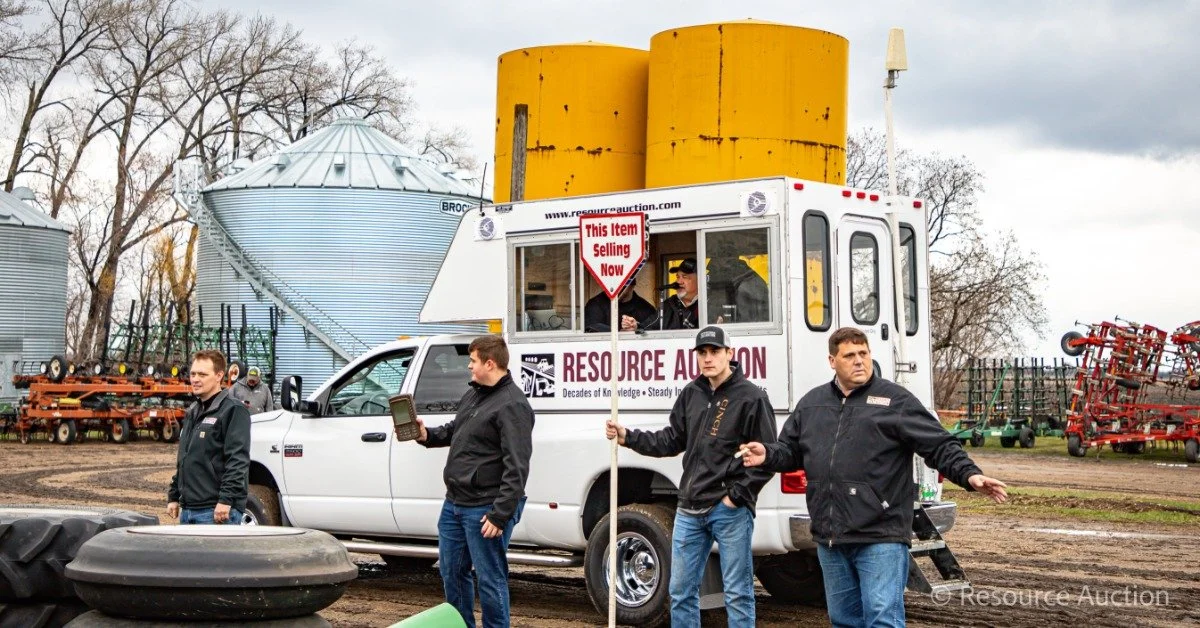
Strong Posts Avoid Empty Hype
Farm equipment buyers tend to distrust inflated language. If a post makes every machine sound exceptional, the words start to lose their meaning. Even worse, buyers may start to doubt the auction company behind the sale.
The better approach uses specific details. Instead of forcing excitement, the post should help buyers understand why the machine deserves a look. The language can sound confident without pretending the equipment is more than it is.
That balance protects long-term value. A buyer who feels respected today may return for the next auction. A seller also benefits when marketing draws attention without creating false expectations.
Social Sharing Can Bring in the Right Buyer
Something else to keep in mind is that, in many scenarios, a single post can travel through a network that the seller couldn’t reach on their own. Someone who sees the listing may send it to a neighbor who has been looking for that model. Another person may share it with a family member who farms in a different part of the region.
This kind of sharing works because it feels personal. In many ways, it’s the modern form of word-of-mouth marketing. The buyer receives the post from someone they know, not from a random advertisement. That doesn’t guarantee a bid, but it can make the buyer pay closer attention.
For specialized equipment, this reach can matter even more. The local market for some items can be rather thin. When the right buyer is outside the usual circle, social media helps the machine move beyond it without losing the local trust that underpins the sale.
Social Media Works Best With Real Auction Discipline
While social media can attract buyers, it can’t carry a poorly prepared auction. A strong listing still has to give buyers accurate information and a clear way to inspect before they bid. When those pieces are in place, social media can help them work harder. It can bring a useful machine back to a buyer’s attention as the auction date gets closer.
For sellers, the value comes from reach that supports real buyer confidence. For buyers, the value lies in easier access to equipment that may fit their operations. The strongest results happen when online attention drives more informed bidding.