Interest rates influence prices because they change the cost of using borrowed money. When rates rise, financing becomes more expensive, so buyers often become more careful about what they’re willing to pay. When rates fall, borrowing becomes less restrictive, making larger purchases easier to justify.
That same pressure shows up in used farm equipment markets. Buyers may still need a tractor, combine, loader, or trailer, but their budget depends on more than the sticker price. If financing costs climb, the total cost of owning that equipment climbs with them. At auction, that can change how far bidders are willing to go before the numbers stop making sense. To better understand this, let’s look at how exactly interest rates influence equipment auction prices.
Why Borrowing Costs Change Bid Limits
Before an auction, many buyers work backward from the payment they can handle. They may know the machine they want, but they also know the monthly number their operation can support. A higher interest rate can lower the maximum bid before the equipment ever reaches the auction block.
That limit matters because auctions move quickly. Once bidding starts, buyers don’t have time to recalculate every financing detail on the spot. The bidders who’ve already priced the loan, expected repairs, and transport costs usually know exactly when to stop.
This is where interest rates can quietly shape the final sale price. They don’t always reduce demand for the equipment itself. They reduce the amount some buyers can responsibly put behind that demand.
Higher Rates Can Cool Aggressive Bidding
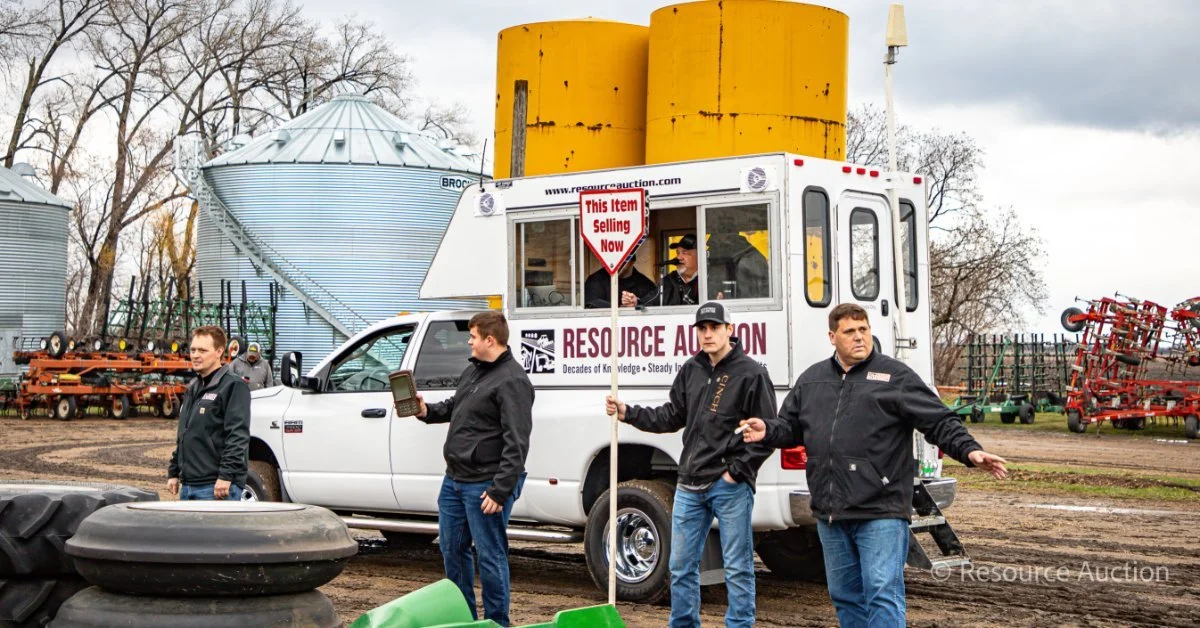
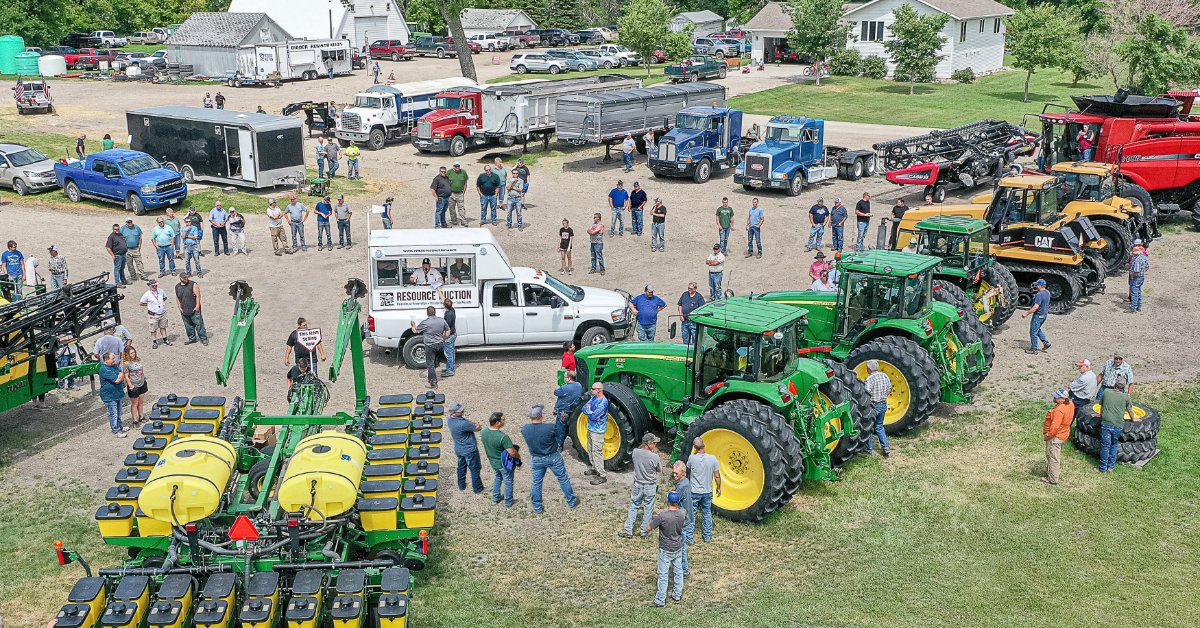
Auctions often build energy when several bidders remain active simultaneously. That pace can push prices higher because each bidder has to decide quickly whether the next bid still feels worth it. In a higher-rate market, that energy can fade sooner.
The hesitation usually shows up near the end of the bidding. A buyer may still like the agricultural equipment and understand its value, but another bid also means carrying a larger financed balance. When rates are high, that last jump can feel harder to justify.
This doesn’t make strong auction results impossible. Well-maintained equipment with clear demand can still perform well. Higher rates simply make the final stretch of bidding more disciplined.
Lower Rates Can Bring More Buyers Into the Sale
Lower rates can expand the pool of active bidders. More buyers may qualify for financing, and some buyers may feel comfortable replacing equipment sooner. That added confidence can create stronger competition when the equipment fits current demand.
The effect often becomes more visible on higher-priced assets. If a buyer plans to finance a large share of a combine or excavator, a lower rate can change the math in a meaningful way. A payment that once felt too high may become manageable enough to support a stronger bid.
Sellers still need realistic expectations. Lower rates can help demand, but they don’t erase concerns about age or condition. Buyers still inspect carefully and compare alternatives. They avoid paying beyond what the equipment can justify.
Equipment Type Changes the Impact
Interest rates usually hit expensive farming equipment first. Buyers who finance major purchases pay close attention to monthly cost, so a rate increase can reduce what they’re willing to bid on larger assets. Smaller attachments may feel less pressure because buyers may use cash instead of a loan.
The equipment’s role also matters. A machine that supports urgent work may bring strong attention even when rates are high. If the buyer needs it for an upcoming season, the value of having it ready can outweigh some financing discomfort.
This is one reason farm equipment auctions don’t always move in perfect step with the broader lending market. Planting needs and harvest pressure can affect demand. Local inventory can too. Rates matter, but buyers still respond to practical needs in the field.
Seller Timing Becomes More Important
Sellers can’t control interest rates, but they can control how well they prepare for the market. During a higher-rate period, buyers often need more confidence before bidding aggressively. Clear descriptions and high-quality photos help reduce the uncertainty that keeps buyers from buying.
Records can also support stronger bidding. Maintenance records and accurate hours help buyers understand what they’re evaluating. When financing costs already feel heavy, good information can keep a bidder engaged.
Timing deserves attention as well. Equipment tied to seasonal work often performs better when buyers have time to inspect it before they need it. Waiting until the need has passed may shrink the buyer pool, especially if rates already make bidders more cautious.
Cash Buyers Gain Some Leverage
It’s important to recognize that cash buyers often gain an edge when rates rise because they don’t need to factor in loan interest when calculating the purchase price. They may move faster and bid with fewer financing concerns. That can matter when other buyers need approval or have strict payment limits.
Still, cash doesn’t guarantee a bargain. A strong asset can attract buyers with different funding plans. If several bidders see clear value, competition can hold prices up even in a tighter rate environment.
For sellers, the key is to reach both cash buyers and financed buyers. Strong marketing helps connect agricultural equipment with people who can act on it. In a cautious market, that reach becomes even more important.
How Buyers Adjust Their Auction Strategy
Buyers should set their limit before the auction starts. That limit should reflect more than the expected winning bid. It should include the financed cost and the work the equipment needs to perform after purchase.
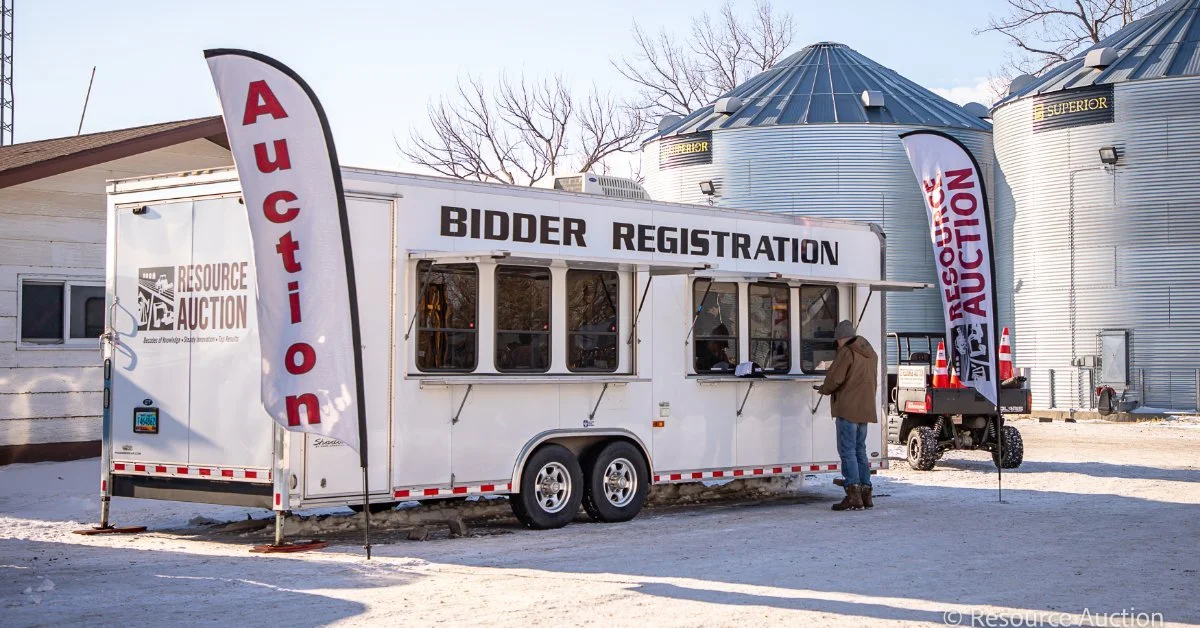
Pre-approval can make bidding more disciplined. Buyers who know their payment range can focus on value instead of guessing in the moment. That preparation also helps them move quickly when the right piece of equipment appears.
Interest rates shouldn’t push buyers away from auctions. They should push buyers to look harder at the full cost. A good deal still exists when the equipment fits the job, and the numbers hold up.
Reading Auction Prices in a Changing Rate Market
While interest rates certainly influence equipment auction prices, these costs reflect more than just the machine in front of the interested parties. They also reflect credit conditions and the confidence buyers bring. When rates rise, a lower sale price may reveal tighter borrowing limits rather than weak equipment demand.
Sellers should read the results with that context in mind. A softer price may still represent fair market value at that point in the lending cycle. Buyers should think the same way when comparing recent auction results to older sales.
The best preparation comes from understanding both the asset and the financial climate. A clean machine with strong demand can still perform well when rates rise. A careful buyer can still find value when rates fall, as long as the final price fits the real cost of ownership.