Every year, thousands of tractors and combines change hands at auction instead of ending up in a scrap heap. That simple shift, buying used instead of new, carries a bigger environmental punch than you’d expect. In fact, farm equipment auctions can help reduce environmental impact in a variety of ways. Let’s learn more about how this actually plays out across the industry.
Giving Old Equipment New Life
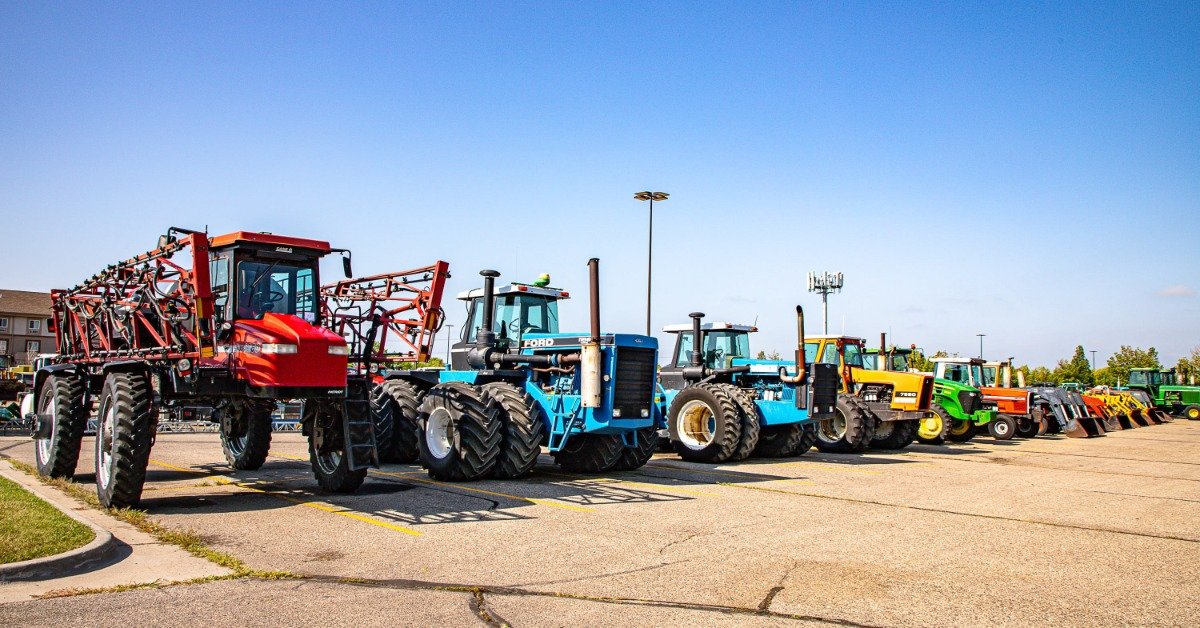
A well-built tractor or combine can run for thirty years or more if someone takes good care of it. When that machine goes to auction instead of getting hauled off to a scrap yard, its useful life stretches out even further. You end up with a piece of equipment that already proved itself on someone else’s farm, and now it gets to do the same job on yours. That’s a win for your budget and a win for the environment, since nothing new had to be manufactured to fill the gap.
Manufacturing a single tractor requires an enormous amount of steel, rubber, and plastic, along with significant energy, throughout the process. Every time an auction extends the life of an existing machine, that whole production cycle gets skipped. Additionally, older equipment tends to be simpler mechanically, which makes it easier to repair rather than replace when something breaks. You keep the machine running longer, and you keep raw materials out of the manufacturing pipeline a little longer, too.
Cutting Down on Manufacturing Demand
In many cases, the process of reducing environmental impact through farm equipment auctions starts with basic supply and demand. Fewer people buying brand-new machinery could possibly mean that manufacturers produce less, which can trim down the mining and smelting that happen upstream, along with the factory emissions tied to new production. On a related note, this ripple effect touches everything from iron ore extraction to the diesel burned in freight trucks moving parts across the country. Auctions quietly chip away at all of that by keeping existing machines in circulation.
Consider how much goes into producing just one combine harvester. The steel components and hydraulic systems each come through their own supply chain, while the electronics and tires come through entirely different ones. Every one of those supply chains leaves its own carbon footprint before the machine ever reaches a farm. Therefore, when a farmer buys a used combine at auction instead of ordering a new one, several separate manufacturing processes never take place. Multiply that across an entire auction season, and the savings add up fast.
Less Waste Headed to Landfills
Old farm equipment doesn’t break down like an apple core. Metal and rubber components can remain in landfills for decades, and plastic parts can take even longer, since some never fully decompose. Auctions offer a straightforward alternative: instead of scrapping a machine because it’s no longer needed, the owner sells it to someone who still has a use for it. That single decision keeps hundreds of pounds of material out of the waste stream.
Farmers also tend to sell equipment before it truly wears out, usually because they’re upgrading or shifting what crops they grow. This means a lot of auctioned machinery still runs great and looks rough only on the surface. Buyers get functional equipment at a fair price, sellers recoup value instead of paying to dispose of it, and landfills stay a little emptier. Everybody comes out ahead, including the environment.
What Happens to Parts That Don’t Sell
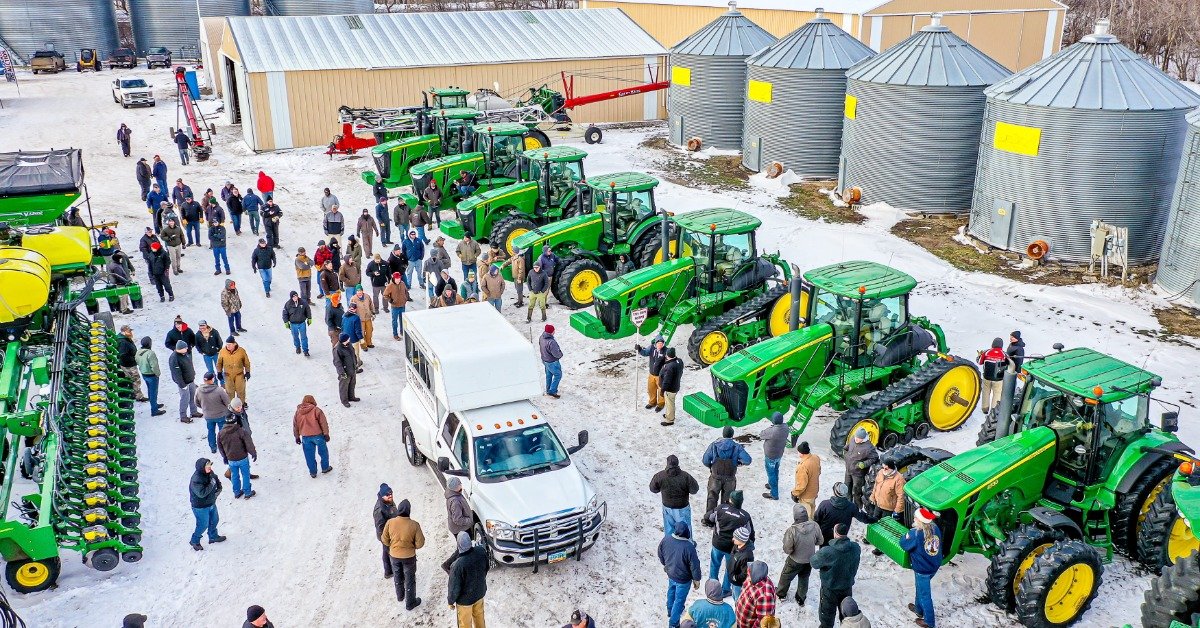
Not every piece at an auction finds a full-machine buyer, and that’s fine. Salvage buyers frequently purchase equipment specifically to strip it for parts, which keeps individual components in use even after the whole machine retires. Engines and transmissions get pulled and resold, and hydraulic parts follow the same path to repair other equipment down the line. You end up with a system where almost nothing goes to waste, piece by piece.
Lower Emissions From Local Buying
Auctions frequently draw buyers from the surrounding region, which cuts down on the long-distance shipping tied to ordering new equipment from a factory. A tractor built overseas or across the country travels a long way before it reaches a farm, and that trip burns fuel and generates emissions the entire time. Buying locally at auction shortens that trip considerably, sometimes down to a short drive. Also, many auctions take place online nowadays, reducing emissions even more.
Shorter transport distances translate into a smaller carbon footprint for the equipment itself. You also support local auction houses and regional economies rather than sending money toward overseas manufacturing plants. This kind of buying pattern builds a sturdier, more self-sufficient farming community while quietly trimming transportation-related emissions along the way.
Smarter Resource Use on Farms
Buying used equipment pushes farmers to think more carefully about what they actually need. Instead of upgrading to the latest model every few years, many farmers hold onto reliable machines longer and only replace parts as necessary. This mindset naturally reduces overall consumption, since you’re not constantly feeding demand for brand-new machinery.
Auctions also let smaller or newer farms access equipment they couldn’t otherwise afford. That access counts for a lot, since it keeps more land in active, well-managed cultivation instead of sitting fallow due to a lack of proper tools. The environmental benefits stack up in ways that go beyond just the equipment itself.
Supporting a Circular Farm Economy
A circular economy keeps materials and products in circulation, enabling multiple uses rather than tossing them after one cycle. Farm equipment auctions build exactly this kind of system within agriculture. Machines move from farm to farm, getting repaired and resold along the way. Eventually, once they’ve truly reached the end of the line, they get broken down for parts.
This cycle stretches out the value of every material that went into building the machine in the first place. Farm machinery auctions connect sellers and buyers directly, so equipment finds its next owner quickly rather than sitting idle or being sent to salvage too soon. That kind of marketplace makes the entire circular process work smoothly and gives farmers confidence that selling old equipment is a practical, worthwhile choice rather than a hassle.
Why Buying Used Can Be the Greener Choice
Buying new machinery isn’t inherently bad, but it comes with an environmental cost that used equipment sidesteps almost entirely. Every auction transaction can lead to one less new machine pulled from a factory floor. It also means one less shipment crossing an ocean and one less scrapped machine left sitting in a field somewhere. You get a better deal, and the environment gets a break too.
Farmers who buy and sell at auction regularly become part of a broader pattern of reuse that accumulates across the whole industry. The savings aren’t just financial; they cover materials and energy, too, and they cut down on logistics along the way. Choosing an auction over a factory order gives you practical, affordable equipment while quietly supporting a more sustainable approach to equipment ownership.