
At the end of a long workday, it’s easy to write “serviced tractor” in a notebook and consider the record complete. You know what the note means because the work is still fresh, and the person who handled it may be standing nearby. Months later, that same entry won’t explain which service was performed or whether an unusual condition prompted it.
With this kind of equipment, having detailed maintenance records is crucial so anyone can understand the machine’s condition without relying on memory or simply guessing. To avoid that kind of issue, we’re here to go over the basics of keeping a maintenance log for your high-value equipment.
Start With a Basic Permanent Equipment Record
Every machine needs a master record that stays with it throughout its working life. Record its serial number alongside the exact model and model year, then add the date it entered your operation. The original hour reading establishes a baseline, especially when you purchase used equipment with time already on the meter.
The same record should identify the engine and other major components if they carry separate serial numbers. Include warranty coverage in a dedicated field rather than burying it in purchase paperwork. When a covered failure occurs, you’ll be able to confirm eligibility before authorizing an expensive repair.
Make Hour and Usage Logs Explain the Work
Calendar dates alone don’t show how hard a machine has worked between services. Record hours at a consistent interval that suits the way the equipment is used. A combine running through harvest may need daily entries, while a machine with occasional use may only need a weekly update.
The context behind the use makes those hour readings more useful. Note when a tractor spends extended time under heavy drawbar load or when a loader works in unusually dusty conditions. These entries can explain faster filter loading or a change in fluid condition without turning the log into an operator’s diary.
Operator observations belong here as well, provided they describe something specific. “Hydraulics slow after two hours” gives a technician a starting point. “Machine acting strange” doesn’t preserve enough information to guide an inspection.
Track Scheduled Service Before and After Completion
Something else that’s great about having a dependable maintenance log for high-value equipment is that it shows what’s coming due as clearly as it records completed work. This makes it easier to enter the next service threshold when the current service is closed. If field conditions justify a shorter interval, be sure to document the reason for that change so it doesn’t look arbitrary later.
The completion entry should state the exact work performed. Identify the filter or other component you installed, and record the specification for any fluid used. The technician’s name also belongs in the entry because it provides a point of reference if questions come up later.
Build Repair Logs Around Symptoms and Results
A parts invoice proves that money was spent, but it rarely explains the full repair. Begin each repair record with the symptom as the operator experienced it. Then record the technician’s diagnosis and the work used to correct the problem.
Close the entry with the result of a functional test. If the problem only appeared under load, a shop-floor check may not be enough to confirm the repair. Documenting the test conditions makes it clear whether the machine returned to comparable work before the job was considered finished.
This structure becomes especially valuable when a fault returns. A technician can determine whether the same symptom previously came from a failed component or from a different underlying cause. That context reduces repeated troubleshooting and helps you recognize when a repair pattern points toward replacement instead.
Keep Fluid Analysis and Wear Trends Visible
Oil analysis deserves more than an attachment buried inside a general service entry. Record the component sampled and its hours at the time, then retain the laboratory report with the equipment file. Samples become far more informative when users can view the results as a trend rather than as an isolated pass-or-fail judgment.
If a report recommends resampling or inspection, add that action to the pending service schedule. Record what happened after the follow-up so the warning doesn’t disappear once the report has been filed. The same approach applies to recurring measurements as well, such as track wear or tire tread depth.
Regardless, consistent measurement methods matter here. Taking a reading from a different location can create an apparent change that doesn’t reflect actual wear. A short note about where and how the measurement was taken keeps later comparisons useful.
Preserve Inspection and Safety Follow-Through
Inspection logs should show more than the date someone walked around the machine. Record the defect in plain language and state whether it limited operation. If you removed the equipment from service, the log should also show who released it after the repair.
Safety-related findings require a closed loop in these cases because an open item can easily go unnoticed between shifts. A damaged guard that has been ordered isn’t the same as one that has been installed. Separate those statuses so operators can see the machine’s current condition without having to search through purchase records.
Link Attachments to Their Actual Work
High-value attachments need their own records even when they don’t have hour meters. Identify the carrier used and estimate operating time through the carrier’s usage log. This connection helps explain wear on both pieces of equipment, particularly when one attachment rotates among several machines.
Record service performed on the attachment under its own identity rather than under whichever machine happened to carry it that day. Otherwise, hose replacement or gearbox work may vanish from view when the attachment moves. A separate record also makes it easier to identify maintenance costs that belong to the attachment rather than the carrier.
Use Maintenance History for Better Ownership Decisions
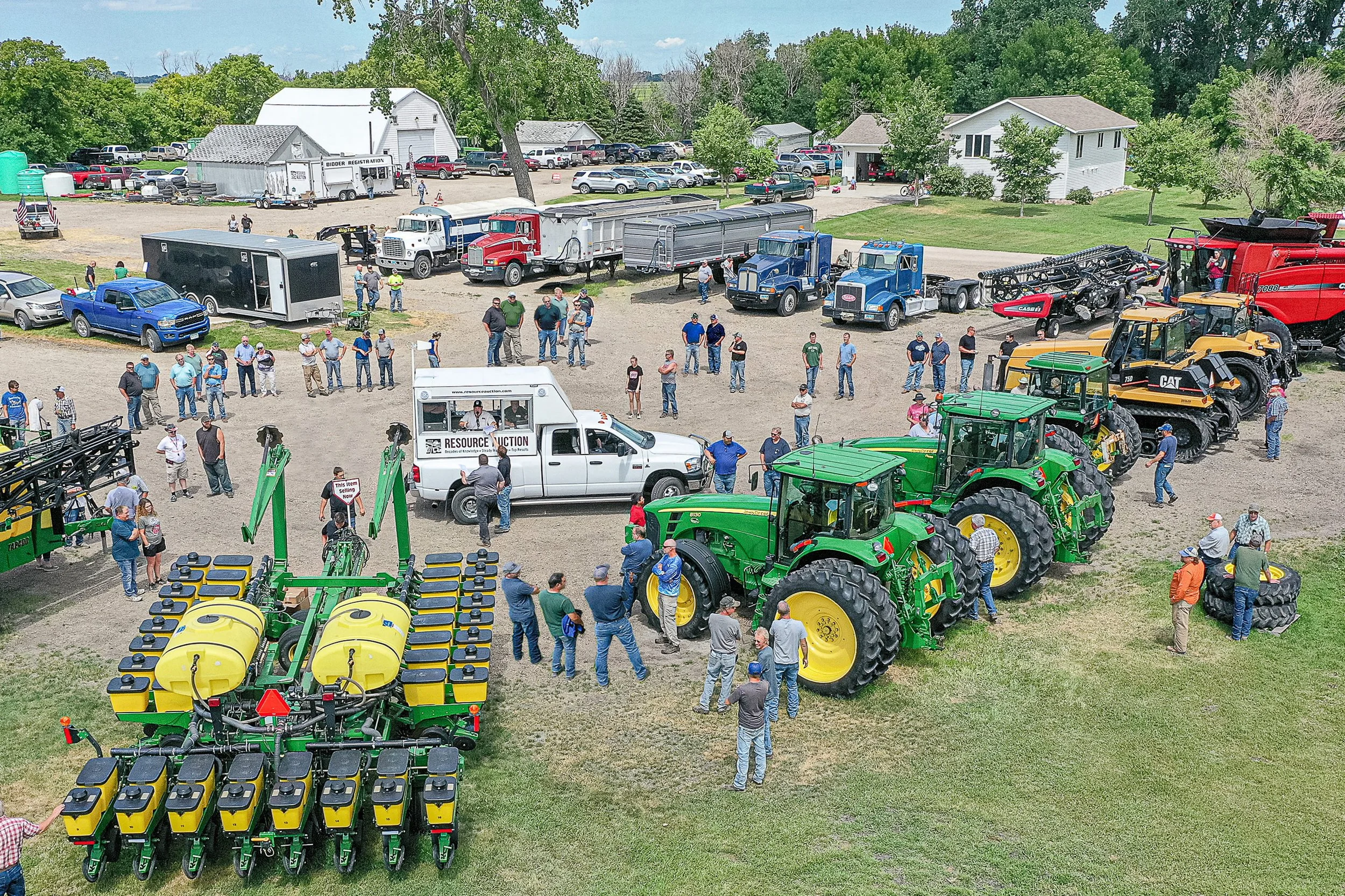
Good maintenance records don't just help you maintain equipment—they can also help build buyer confidence and support a stronger sale when it's time to sell. Compare annual repair spending with productive hours, and look closely at faults that have returned after previous work. A machine may still be dependable even with a high repair total, but the log provides the context needed to judge whether those costs reflect routine wear or a developing pattern.
Clear records can also support a future sale. When equipment moves through farm equipment auctions, documented service gives prospective buyers more substance than a fresh wash and a brief inspection can provide. It won’t guarantee a particular price, but it can distinguish known care from unsupported claims about condition.
Choose a logging system that people can update close to the work. A well-designed paper form can outperform software that’s difficult to access from the field, while a digital system may be better for reminders and long-term searches. Whichever format you use, assign responsibility for reviewing open items so the log continues to guide action rather than simply storing history.