
Strategic Timing for End-of-Season Farm Auctions
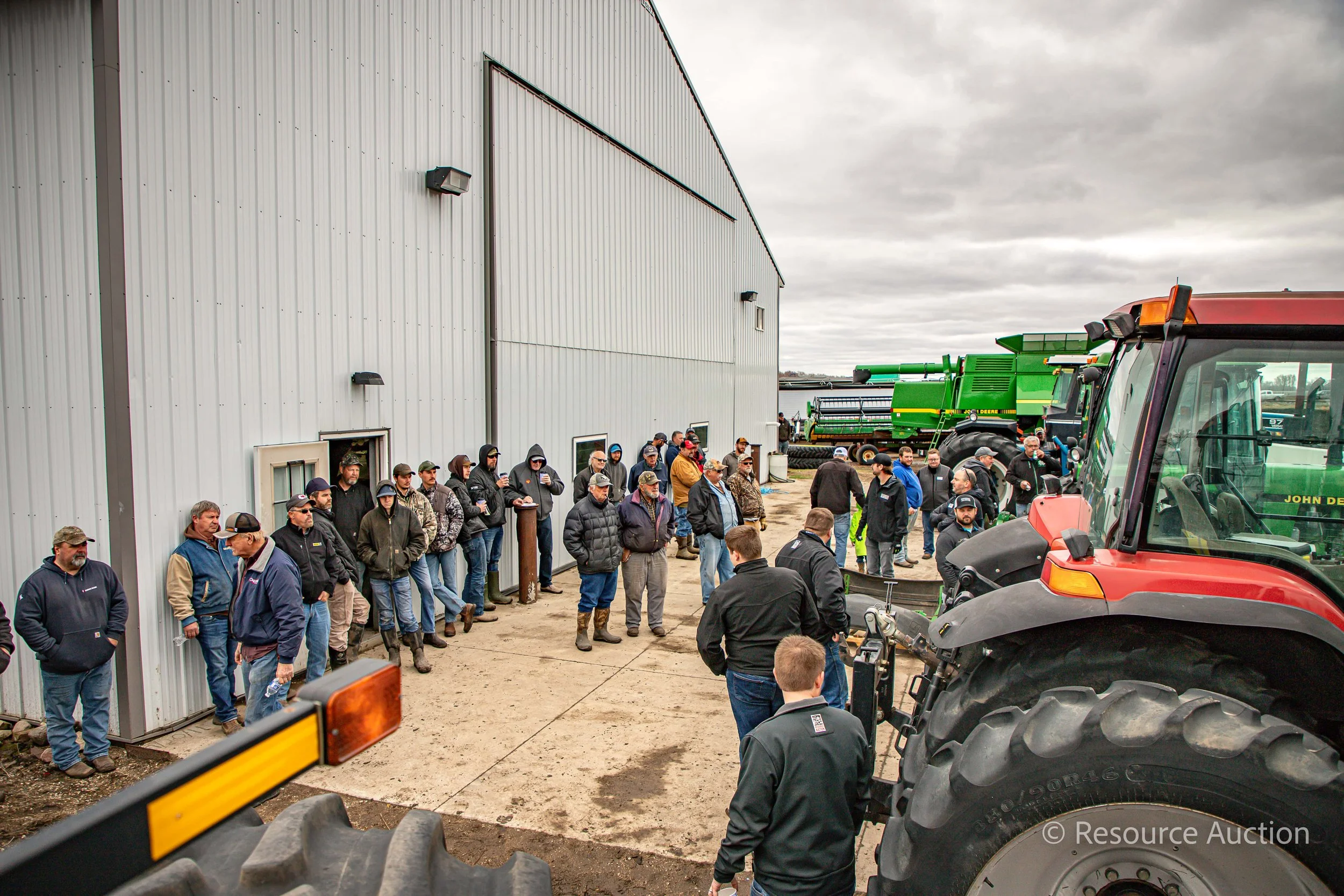
Every farming season brings a natural transition point. As harvest wraps up and fieldwork slows, many producers evaluate their equipment, operations, and financial goals. End-of-season farm auctions create an opportunity to turn unused or outdated assets into working capital while preparing for the next production cycle.
Timing plays a major role in farm auction success. Selling too early or too late can affect buyer demand, equipment availability, and overall returns. Understanding seasonal trends helps sellers make informed decisions that support both short-term needs and long-term planning.
Why Timing Matters in Farm Auctions
Agriculture follows a predictable seasonal rhythm. Buyers and sellers make decisions based on planting schedules, harvest windows, weather conditions, and year-end financial planning.
When you choose the right auction window, you position your equipment in front of motivated buyers who already plan for the coming season. That increased demand often creates stronger competition during bidding, which benefits sellers.
Good timing also allows sellers to organize equipment, complete maintenance records, and prepare machinery before listing it for sale.
What Makes End-of-Season Auctions Popular?
Many farmers finish harvest with a clear understanding of what worked well and what no longer fits their operation. That makes the end of the season an ideal time to evaluate assets.
Common reasons producers choose this period include:
Replacing aging equipment
Downsizing operations
Preparing for retirement
Settling estates or trusts
Improving cash flow before the new year
Because many farms review equipment inventories during this period, buyers also expect to find a larger selection of quality machinery and support equipment.
How Buyer Demand Changes Throughout the Year
Buyer activity shifts with the agricultural calendar. During planting and harvest, producers focus on fieldwork instead of purchasing equipment. Once those busy periods end, they have more time to research upcoming auctions and compare available inventory.
Many buyers also begin planning for the following growing season during the fall and winter months. They often look for combines, tractors, tillage equipment, grain handling systems, trailers, and support vehicles before spring demand increases.
This seasonal planning creates favorable conditions for sellers who schedule auctions before buyers finalize their equipment purchases elsewhere.

Preparing Equipment Before the Auction
Proper preparation helps equipment present well and gives buyers greater confidence.
Simple improvements often include cleaning machinery, organizing maintenance records, replacing inexpensive worn parts, and addressing minor cosmetic issues that improve appearance without requiring major repairs.
Photographs also matter. Clear, well-lit images taken from multiple angles help online bidders evaluate equipment accurately before auction day.
Accurate descriptions that include model numbers, operating hours, service history, and notable features also encourage stronger bidding activity.
Understanding Market Conditions
Equipment values change throughout the year for several reasons. Commodity prices influence purchasing confidence. Strong crop prices often encourage equipment investments, while lower prices may cause buyers to become more selective.
Interest rates also affect purchasing decisions, especially for larger equipment purchases that require financing.
Equipment availability plays another role. When inventory remains limited, buyers may compete more aggressively for well-maintained machinery. When supply increases significantly, sellers benefit from careful auction planning and professional marketing.
Monitoring these market conditions helps determine the most advantageous selling window.
Why Professional Auction Marketing Makes a Difference
Even valuable equipment needs visibility.
Professional auction companies market equipment through multiple channels, including online listings, email campaigns, social media, industry networks, and established buyer databases. Broader exposure introduces your equipment to local, regional, and national buyers.
Greater visibility often results in more registered bidders. More bidders typically increase competition, which supports stronger final sale prices.
Experienced auction professionals also answer buyer questions, verify equipment information, coordinate inspections, and manage bidding throughout the auction process.
Choosing the Right Equipment to Sell
End-of-season planning gives producers an opportunity to evaluate every asset on the farm.
Consider whether equipment still serves current production goals. Machinery that sits unused for extended periods often creates storage, maintenance, and insurance costs without providing meaningful value.
Many sellers review:
Tractors
Combines
Planters
Tillage equipment
Grain handling systems
Utility vehicles
Attachments
Shop equipment
Selling unused assets can simplify operations while generating capital for future investments.
How Online Auctions Expand Buyer Reach
Modern technology has transformed the auction industry.
Online bidding allows buyers from across the country to participate without traveling to the auction site. That expanded reach increases the pool of potential bidders and exposes equipment to individuals who may have specific needs for certain models or brands.
Many farm machinery auctions now combine online bidding with professional photography, detailed equipment descriptions, and real-time bidding platforms that create competitive bidding environments regardless of location.
This broader audience often benefits sellers who own specialty equipment or well-maintained machinery that appeals beyond the local market.
Financial Advantages of Selling Before Year-End
Many producers consider tax planning and financial management as the calendar year comes to a close.
Selling equipment before year-end may support business planning, improve liquidity, and provide funds for future equipment purchases or operational investments. Individual financial situations differ, so sellers should consult qualified tax and financial professionals when making year-end decisions.
From an operational standpoint, selling before winter also reduces storage requirements for equipment that no longer contributes to farm productivity.
Estate Planning and Farm Transitions
Not every end-of-season auction results from routine equipment updates.
Families often conduct auctions during estate settlements, retirement transitions, or changes in ownership. These situations require careful organization, clear communication, and experienced auction management.
Professional auction companies help organize inventories, document assets, coordinate marketing, and manage the sale process efficiently. Their experience allows families, trustees, and executors to focus on broader transition responsibilities while maintaining confidence in the auction process.
Thoughtful planning also helps preserve equipment value by avoiding prolonged storage or delayed liquidation.
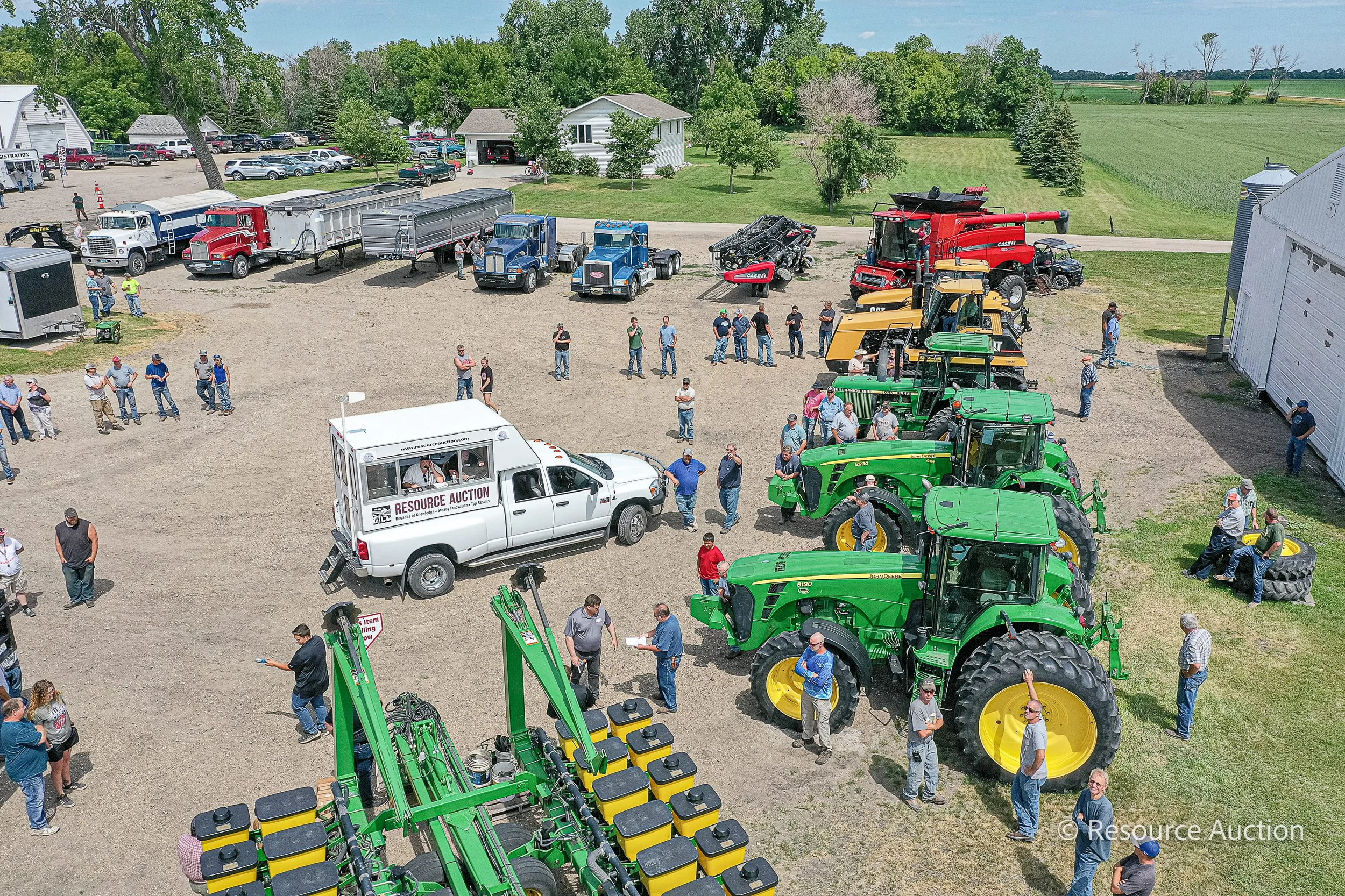
Selecting the Right Auction Partner
Choosing an experienced auction company influences every stage of the process.
Look for an auction partner that understands agricultural equipment, maintains strong buyer relationships, and offers comprehensive marketing services.
An experienced team should provide accurate equipment evaluations, clear communication, professional photography, online marketing, bidder support, and transparent auction management from beginning to end.
Strong customer service also creates a better experience for both buyers and sellers, encouraging greater participation and confidence throughout the auction.
Planning Ahead Produces Better Results
The strongest results often come from planning several weeks or months before the desired auction date. Early planning gives sellers time to organize equipment, gather documentation, schedule photography, and coordinate marketing efforts before buyer interest peaks.
Advance planning also allows auction professionals to promote the sale thoroughly across multiple marketing channels. More exposure gives interested buyers additional time to research equipment, arrange financing if necessary, and prepare for auction participation.
Rather than rushing the process after the busy season ends, proactive planning creates a smoother experience and positions equipment for maximum visibility.
Making Strategic Timing Work for Your Operation
Every farm operates under different goals, production schedules, and financial priorities. Even so, end-of-season auctions consistently provide an opportunity to evaluate assets while buyer interest remains strong.
By preparing equipment carefully, understanding seasonal demand, monitoring market conditions, and partnering with an experienced auction company, sellers place themselves in a stronger position to achieve successful outcomes.
Whether you plan to update equipment, reduce inventory, prepare for retirement, or manage an estate transition, strategic timing can make the auction process more effective. A well-planned end-of-season auction helps convert unused assets into opportunities while preparing your operation for the next chapter.