

Liquidating a farm represents a major financial decision, whether you're preparing for retirement, settling an estate, or transitioning away from agricultural operations. While selling equipment and property can generate substantial proceeds, the tax consequences can significantly affect how much money you ultimately keep. Understanding capital gains, depreciation recapture, and available tax strategies helps you make informed decisions throughout the liquidation process. With careful planning and professional guidance, farm owners can approach liquidation confidently while avoiding unnecessary tax complications.
Understanding Capital Gains in Farm Liquidation
Capital gains occur when you sell an asset for more than its adjusted tax basis. For farmers, these gains may involve farmland, certain breeding livestock, or other qualifying agricultural assets.
The IRS generally distinguishes between short-term and long-term capital gains. Short-term gains typically receive ordinary income tax treatment, while long-term gains may qualify for preferential tax rates.
However, not every farm asset qualifies for capital gains treatment. Different tax rules apply to equipment, inventory, and real estate, making accurate asset classification essential.
How Farm Equipment Sales Affect Your Taxes
Selling tractors, combines, and other agricultural machinery can create taxable income, even when the equipment has lost value since its original purchase.
Depreciation plays a significant role in determining the tax consequences. Farmers often deduct equipment depreciation throughout its useful life, reducing the asset's adjusted tax basis.
When equipment sells for more than that adjusted basis, the IRS generally treats the gain attributable to previous depreciation deductions as ordinary income under depreciation recapture rules.
Understanding these distinctions helps farmers estimate their tax obligations before scheduling equipment sales.
The Role of Depreciation Recapture
Depreciation recapture often surprises farmers who expect equipment sales to qualify entirely for capital gains treatment.
Consider a tractor that originally cost $100,000. If depreciation deductions reduce its adjusted basis to $20,000 and the farmer sells it for $65,000, the transaction generates a $45,000 taxable gain.
Because the selling price remains below the original purchase price, the entire gain generally qualifies as ordinary income through depreciation recapture.
Reviewing depreciation schedules before liquidation helps identify potential tax liabilities and prevents unexpected financial obligations.
Capital Gains Considerations When Selling Farmland
Farmland sales typically involve different tax considerations than equipment liquidation. Land generally doesn't qualify for depreciation, so appreciation often creates capital gains rather than depreciation recapture.
For example, farmland purchased for $200,000 and subsequently sold for $500,000 could generate a $300,000 gain before accounting for selling expenses and basis adjustments.
However, improvements such as drainage systems or agricultural structures may introduce additional tax considerations.
Farmers should review property records carefully to distinguish land value from depreciable improvements and calculate gains accurately.
Understanding Section 1231 Property
Section 1231 of the Internal Revenue Code provides special tax treatment for certain business assets that owners hold longer than one year.
Qualifying agricultural assets may include farm machinery, business real estate, and certain livestock.
When total Section 1231 gains exceed qualifying losses, the net gain may receive long-term capital gains treatment, subject to depreciation recapture and other rules.
However, previous Section 1231 losses can affect current tax treatment through a five-year lookback provision.
A tax professional can determine which liquidation assets qualify and how these rules affect the overall tax outcome.
Planning Your Farm Liquidation Timeline
Timing can influence your total tax liability. Selling every asset during one tax year may increase taxable income substantially, potentially placing more income into higher tax brackets.
Spreading qualifying sales across multiple tax years may help manage that impact.
However, farmers must consider practical factors such as equipment demand, operating expenses, and retirement schedules.
Before establishing a liquidation timeline, evaluate your anticipated income for each year and discuss potential tax consequences with an agricultural tax specialist.
Using Auctions To Support Liquidation Planning
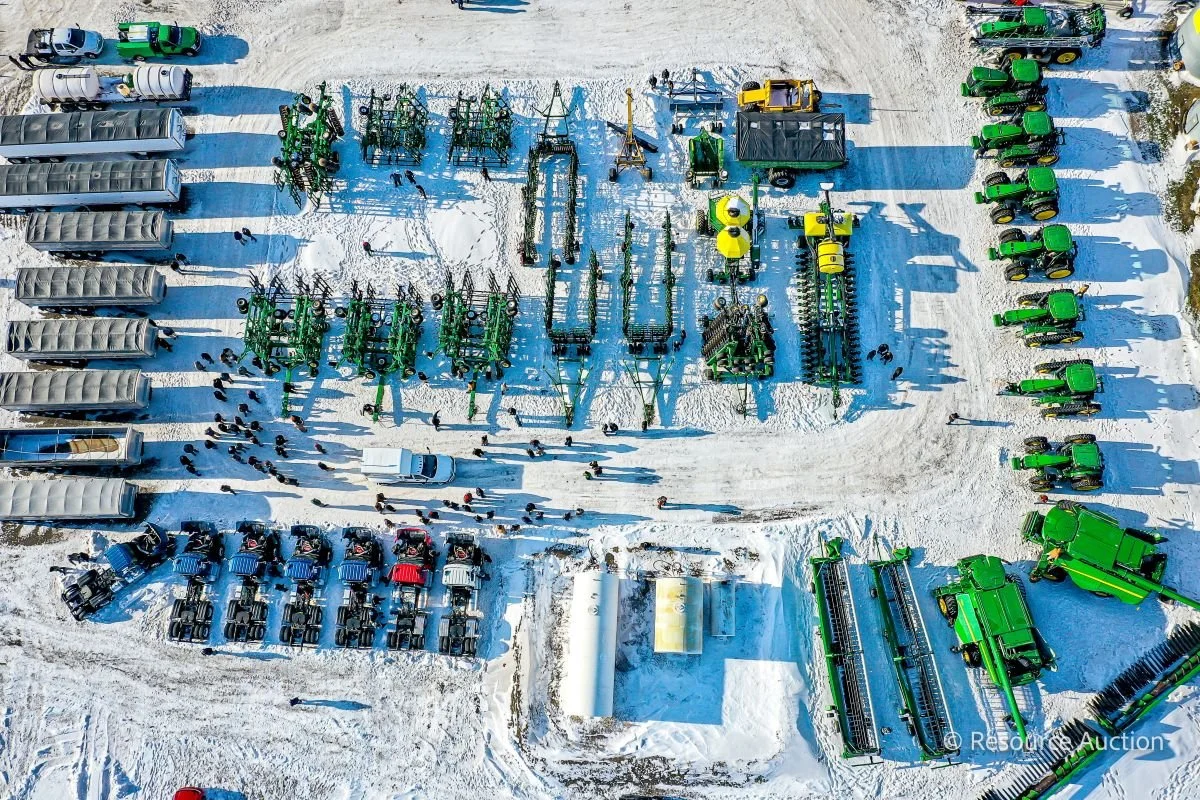
Auctions offer an organized way to sell agricultural equipment while reaching interested buyers.
An agriculture equipment auction can help farmers establish competitive market prices and efficiently liquidate multiple assets.
However, auction proceeds still create tax obligations according to the classification and adjusted basis of each asset.
Farmers should maintain detailed transaction records, including individual selling prices and associated expenses.
Working with an experienced auction company can also help sellers coordinate equipment preparation and establish a realistic liquidation schedule.
Important Records To Gather Before Liquidation
Accurate financial records make tax planning easier and help farmers calculate gains correctly.
Before selling agricultural assets, gather the following documentation:
Original purchase records: Identify acquisition costs and dates for equipment and property.
Depreciation schedules: Review previous deductions and remaining adjusted tax basis.
Improvement records: Document qualifying expenditures that may affect property basis.
Sales documentation: Track selling prices, commissions, and transaction expenses.
Previous tax returns: Identify relevant losses and other tax information.
Organizing these records early gives your accountant more time to identify potential issues before transactions occur.
How Installment Sales May Affect Tax Obligations
An installment sale allows a seller to receive payments over multiple tax years rather than collecting the entire purchase price immediately.
For certain qualifying assets, installment reporting may spread taxable gains across the years when payments arrive.
However, depreciation recapture generally becomes taxable during the year of sale, even when the seller receives payments later.
Installment treatment also carries collection risks and doesn't apply to every transaction.
Farmers should consult their tax advisors before accepting installment arrangements, particularly when selling valuable equipment or farmland.
Considering Retirement During Farm Liquidation
Retirement often motivates farm liquidation, making coordination between asset sales and retirement income especially important.
Farmers approaching retirement should consider how liquidation proceeds interact with Social Security benefits, retirement account withdrawals, and other income sources.
Large taxable gains can affect Medicare premiums or increase the taxable portion of Social Security benefits.
Careful planning may help retirees manage these consequences while preserving financial flexibility.
A financial advisor and agricultural tax professional can coordinate strategies that reflect both immediate liquidation needs and long-term retirement goals.
Tax Considerations for Estate Liquidations
Farm liquidation following an owner's death introduces additional considerations.
Inherited assets generally receive a tax basis based on their fair market value at the owner's date of death, subject to applicable exceptions and elections.
This adjustment can significantly reduce taxable gains when heirs subsequently sell inherited property.
However, estate administration expenses, outstanding liabilities, and potential estate taxes require separate consideration.
Executors and trustees should coordinate with estate attorneys and tax professionals before selling major agricultural assets.
Understanding State Tax Obligations
Federal income taxes represent only part of the potential financial impact of farm liquidation. State income tax rules vary considerably, and some states impose additional taxes on capital gains or business income.
Property location and residency can also influence which states have authority to tax particular transactions.
Farmers who own agricultural property across state lines should evaluate these obligations before finalizing sales.
Reviewing state-specific requirements helps prevent unexpected tax bills and supports more accurate financial planning.
Using Losses To Offset Taxable Gains
Certain investment or business losses may help reduce taxable gains during liquidation.
For example, qualifying capital losses can offset capital gains, subject to applicable limitations.
Business asset losses may receive different treatment depending on the asset classification and circumstances. Farmers should avoid assuming that every loss can offset every gain.
Instead, review existing losses with a tax professional to determine which deductions or offsets may apply during the liquidation year.

Preparing for Estimated Tax Payments
Significant liquidation income can create estimated tax payment obligations.
Farmers who normally rely on agricultural income tax provisions may encounter different requirements after ending operations.
The IRS provides special estimated tax rules for qualifying farmers, but eligibility depends on individual circumstances.
Failing to meet applicable payment requirements can result in penalties, even when taxpayers eventually pay their full tax liability.
Before completing major transactions, ask your accountant whether additional estimated payments make sense.
Working With Agricultural Tax Professionals
Farm liquidation involves tax rules that can become complicated quickly.
An accountant who understands agricultural operations can evaluate depreciation recapture, property classifications, and available tax strategies.
Professional guidance becomes particularly valuable when liquidation involves inherited assets, substantial equipment inventories, or multiple properties. Ideally, farmers should begin these conversations before announcing liquidation plans.
Early preparation creates opportunities to structure transactions appropriately and avoid preventable mistakes.
Making Informed Decisions About Farm Liquidation
Understanding how taxes affect your farm liquidation proceeds helps you establish realistic financial expectations and protect your interests.
Start by reviewing asset records and estimating potential gains. Then coordinate your selling timeline with qualified professionals who understand agricultural taxation.
Whether you're retiring, transitioning operations, or managing an estate, thoughtful tax planning can help you complete the liquidation process with greater confidence and financial clarity.