6 Tips for Selling Your Farm Equipment at Auction
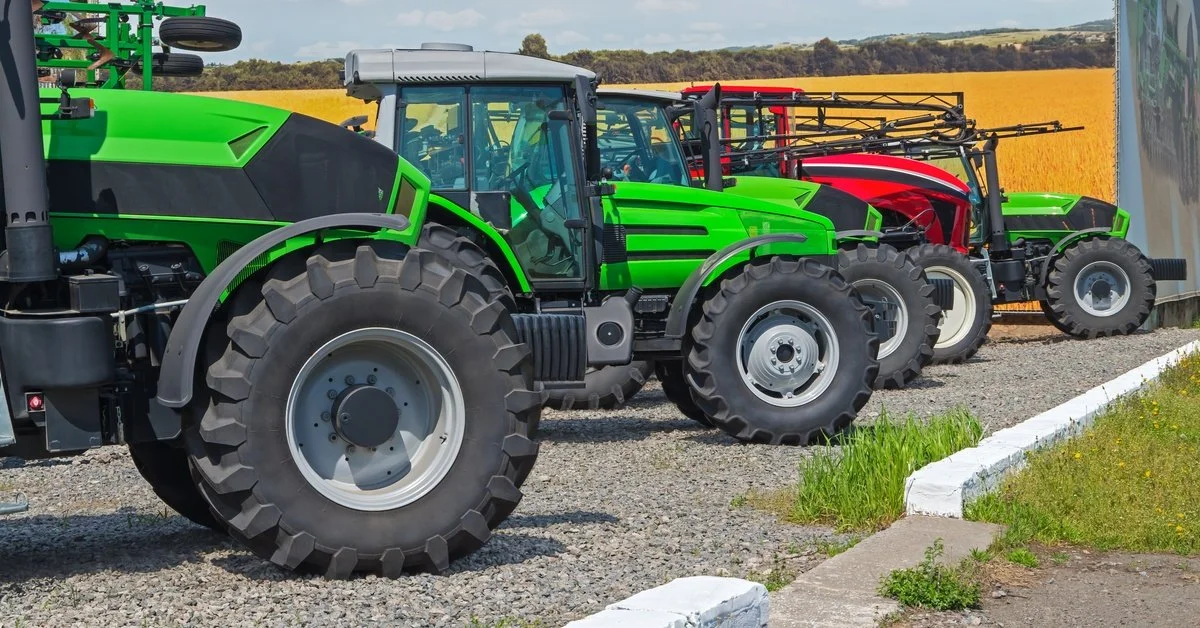
Selling farm equipment can be a great way to make some money on outdated or unneeded items, but doing it at auction can be highly effective at generating more interest and securing competitive offers. Whether you’re cleaning out inventory, managing an estate, or upgrading to newer machinery, auctions provide a convenient platform to connect with motivated buyers. To help you prepare and maximize your success, this guide explores essential tips and strategies to sell your farm equipment at auction confidently.
1. Understanding the Auction Process
Most auctions are straightforward and efficient, making them an appealing option for farm equipment sales. Two main formats exist, each offering unique benefits to sellers.
Live auctions are held at physical venues where buyers can inspect equipment firsthand and bid in real time. This format often creates lively competition, potentially driving up the final sales price. Live auctions are a strong choice for regions with a high density of local buyers. Many live auctions also include simulcast online bidding, allowing both in-person and remote bidders to participate simultaneously. This combination broadens competition and can help achieve stronger sale prices.
The best part about online auctions is that they eliminate geographical limitations. Sellers list items with detailed descriptions and photos, and buyers bid remotely over an extended time frame. These types of farm equipment auctions expand your reach across broader markets, from nearby communities to international buyers. The format also gives buyers more time to make informed decisions, increasing the likelihood of serious bids.
2. Preparing Your Equipment for Auction
Proper preparation plays a major role in attracting serious buyers and securing the best price. Potential bidders are more likely to engage with equipment that looks well-maintained.
Clean Your Equipment
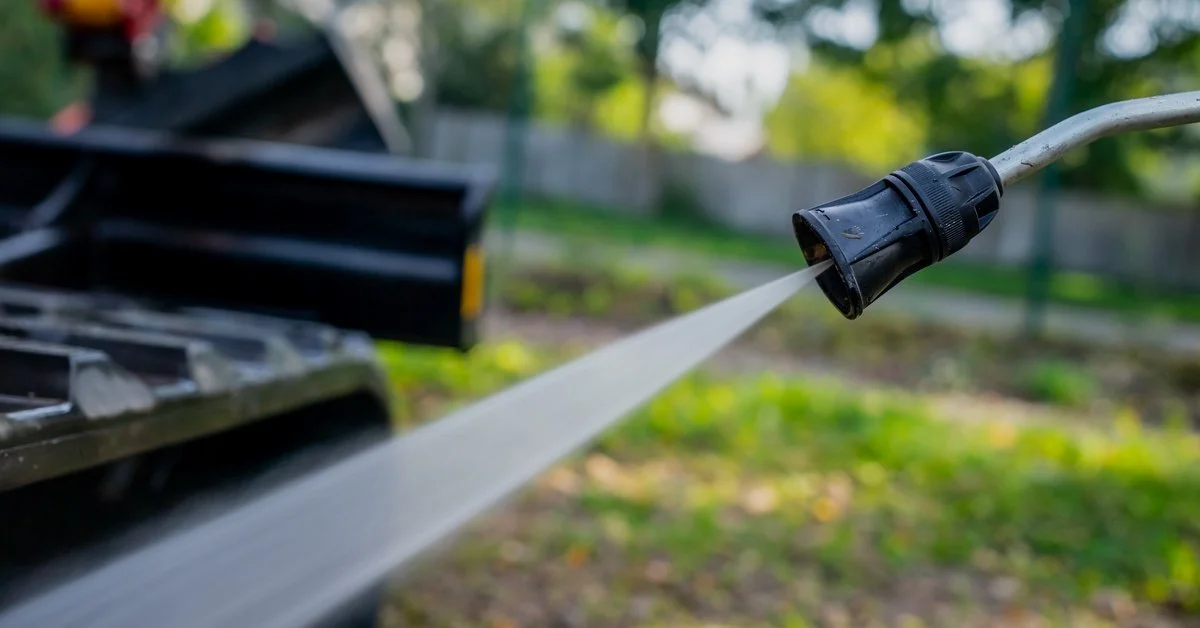
Giving your equipment a thorough cleaning is the first step to making a positive impression. Remove all dirt, grease, and debris, as clean machinery looks more reliable and signals that it has been well cared for. Buyers are drawn to equipment that appears ready for the field or worksite.
Address Repairs and Maintenance
Fixing minor issues can increase buyer confidence in the equipment’s condition. Check for operational concerns such as worn tires, leaks, or mechanical glitches, and make necessary repairs wherever possible. Demonstrating that the machinery is fully functional can help bids climb higher.
Gather Documentation
To further reassure potential buyers, have all relevant paperwork ready. Maintenance records, service logs, and receipts for recent repairs add credibility to your listing. If your equipment still has a warranty, make sure to include it. These documents allow buyers to see the history and care provided, which can increase their willingness to bid competitively.
Use High-Quality Photos
Photos are one of the most powerful tools for online or live auction success. Take clear, high-resolution images of your equipment from multiple angles, including close-ups of key features such as the engine, tires, and cabin interior. Set up adequate lighting and position the equipment in a clean, uncluttered environment.
Write a Detailed Description
Accompany your photos with an accurate and transparent description. Specify the make, model, manufacturing year, and operational hours. Highlight any upgrades or notable features that add value, such as attachments or new tires. Transparency about the equipment’s condition, including any flaws, builds trust and helps set proper buyer expectations.
3. Setting Accurate Expectations for Sale
Understanding the market and timing your sale efficiently can make a huge difference in your auction results. Managing expectations is key to a successful experience.
Research the Market
Before listing your equipment, take time to research its current market value. Compare recent auction results, online listings, and local sales data for similar equipment. Consider factors such as age, brand popularity, and demand within your region. This knowledge not only guides pricing decisions but also prepares you for the bids you’re likely to receive.
Account for Auction Fees
You’ll also want to understand the fees associated with your chosen auction platform. Sellers often face listing costs, platform commissions, and optional promotional expenses. Ensure these fees are factored into your pricing plan to avoid surprises. Knowing the net amount you stand to earn helps you plan more effectively.
Time Your Auction Strategically
Timing can significantly influence the outcome of your auction. Consider how seasonal demand affects your equipment. For example, planting machinery tends to sell well in spring, while snow removal equipment commands higher prices heading into winter. Listing your equipment during peak interest periods ensures you attract the right buyers.
4. Maximizing Value at Auction
Something you might not realize is that sellers who invest in marketing and engagement often see better results. Simple strategies can elevate your auction listing and draw more competitive bids.
Promote Your Listing
Visibility is critical to a successful sale. Share your auction listing on social media, farming forums, and through email to your network. Many auction platforms can also offer paid promotions to boost exposure to targeted audiences. Consistency matters—work with your auction representative to ensure details stay accurate and complete throughout the auction process. Providing clear information from the start helps attract serious bidders and maintain interest. Regardless of how you go about it, the more buyers who see your equipment, the higher the chances of eager bidders competing for it.
Communicate with Buyers
Engaging with potential buyers helps build trust and demonstrates your willingness to answer their questions. Respond quickly and thoroughly to inquiries regarding the equipment’s condition, history, or functionality. Clear communication can enhance buyer confidence and encourage stronger bids.
Set the Right Starting Price
Choosing a competitive starting price strikes a balance between attracting interest and signaling value. A low starting bid can incite competition and create momentum, while a reasonable reserve price (if applicable) ensures you won’t sell below your acceptable threshold. Be strategic in setting these numbers to achieve the best possible outcome.
5. Navigating Auction Day or the End of an Online Auction
The final phase of the auction is crucial to a seamless transaction. Whether you’re at a live event or participating online, staying organized and proactive ensures everything goes smoothly.
Monitor your listing during the auction’s active phases and stay responsive to bidder activity or last-minute questions. Even when the auction platform automates much of the process, attentiveness helps you catch issues early, ensure a smooth closeout, and follow up quickly once bidding ends.
Once bidding concludes, the highest bidder becomes the buyer. Most platforms handle immediate payment arrangements, but you may need to coordinate delivery details. Make sure to follow up promptly to confirm logistics like payment completion and pickup times. If you align these logistics efficiently, it leaves buyers satisfied and more inclined to buy from you in the future.
6. After the Sale

Once the auction ends, a few key steps remain to finalize the sale of your farm equipment. Attention to detail here safeguards the transaction and ensures long-term satisfaction.
Confirm Ownership Transfer
Ensure all necessary documentation is in order for transferring ownership to the buyer. This process typically involves signing over titles or deeds, depending on your region and local laws. Providing these documents promptly builds buyer trust and reinforces professionalism.
Arrange Pickup or Delivery
Coordinating the equipment’s handoff is a critical step. Whether the buyer opts to pick it up personally or requires delivery, communicate clearly about logistics. Be sure to confirm that they’ve met all payment terms before releasing the equipment.
Review and Reflect
Once the sale is complete, take a moment to evaluate the process. Note what went well and where improvements you could make for future auctions. If you plan to sell again, keep a record of what marketing or timing strategies worked best for reference in your next auction. Whether it’s optimizing your listing, timing your sale better, or refining communication with bidders, every auction is an opportunity to learn. By continuously improving, you can make your next sale even more successful.